Turkey's textile market reached USD 14.5 billion in 2025, projected to grow to USD 22.3 billion by 2034 (IMARC Group, 2025). As the world's 5th largest textile exporter and the EU's 2nd largest textile supplier, Turkey holds a strong position in children's clothing manufacturing. This guide covers everything buyers need to know about sourcing children's apparel from Turkey — from certifications and production processes to EU compliance and logistics advantages.
Key Takeaways
- The global kids' apparel market is worth USD 225.88 billion in 2025, set to reach USD 423 billion by 2034 (Fortune Business Insights, 2025).
- Turkey ranks 3rd globally with 1,730 GOTS-certified facilities, behind India and China (GOTS, 2024).
- With 3-7 day delivery to Europe, Turkey offers a significant logistics edge over Far East alternatives.
- Europe's kids' clothing market is worth USD 45 billion — Turkey provides fast and compliant access to this market.
B2B Buyer Guide — 18 Topics at a Glance
This pillar guide is backed by 18 deep-dive posts covering every stage of sourcing children's clothing from Turkey:
- Comparison & shortlisting: Best children's clothing manufacturers in Turkey (2026 shortlist), Turkey vs China comparison, Turkey vs Bangladesh vs Portugal
- Certifications & sustainability: GOTS certified baby clothing manufacturers, Organic cotton supply chain in Turkey, OEKO-TEX, GRS & Sedex guide
- Production models: Private label vs OEM, Low-MOQ manufacturers, Cut & sew manufacturing
- Sourcing process: Production process step by step, Starting a kids clothing brand with a Turkish manufacturer
- Pricing & lead times: 2026 manufacturing cost breakdown, Sample costs, lead times & shipping
- Product categories: Baby romper manufacturers, Kids t-shirt manufacturers, Pajama & sleepwear manufacturers, Baby muslin clothing manufacturers
Why Is Turkey a Global Textile Powerhouse?
Turkey's textile and apparel exports reached USD 19.7 billion in 2024 (TIM / Textilegence, 2025). The country stands out with its vertically integrated structure covering the entire value chain from raw materials to finished products. With over 59,500 registered textile businesses and approximately 962,000 workers, the sector forms the backbone of the Turkish economy (Statista, 2024).
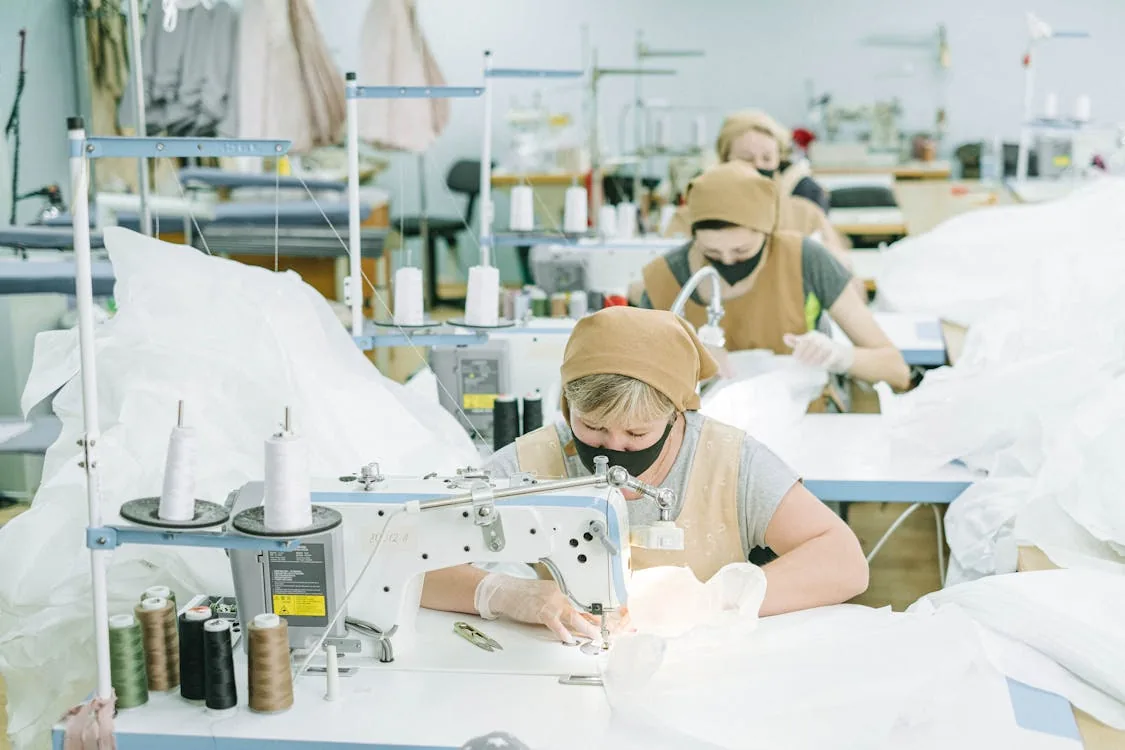
In children's clothing, Turkey's advantage goes beyond capacity — it's about quality and compliance. Geographic proximity to the EU, an advanced certification infrastructure, and strong design capabilities make it an indispensable sourcing hub, especially for buyers exporting to Europe.
How Large Is the Global Children's Clothing Market?
The global kids' apparel market was valued at USD 225.88 billion in 2025, growing at 7.25% CAGR to reach USD 423 billion by 2034 (Fortune Business Insights, 2025). Europe accounts for 19.93% of this market at USD 45 billion, while Asia-Pacific leads with a 36% share.
Several forces are driving this growth: a rising middle class, parents' increasing preference for organic and safe products, and rapid e-commerce expansion. In the United States, 30% of parents say they prioritize organic fabrics for their children (Accio, 2025). This trend creates direct demand for certified Turkish manufacturers.
What Are Turkey's Advantages in Children's Clothing Manufacturing?
Turkey offers significant competitive advantages over Far East alternatives for children's clothing buyers. A 3-7 day delivery time to Europe, skilled labor costs of USD 4-6 per hour, and vertically integrated production are among the top benefits (SourceReady, 2025).
| Criteria | Turkey | China | Bangladesh |
|---|
| Delivery time to Europe | 3-7 days | 25-35 days | 30-40 days |
| GOTS-certified facilities | 1,730 | 2,535 | 1,344 |
| Vertical integration | Raw material to finished product | Partial | Limited |
| EU compliance infrastructure | Customs Union member | Separate compliance needed | Separate compliance needed |
| Minimum order flexibility | High (small lot production) | Medium | Low |
Turkey's EU Customs Union membership eliminates additional customs duties and complex documentation requirements. This provides particular operational ease for small and medium-sized buyers.
Which Certifications Are Critical for Children's Clothing?
There are 15,441 GOTS-certified facilities worldwide, a 5.2% increase from the previous year (GOTS Annual Report, 2024). Turkey ranks 3rd globally with 1,730 certified facilities, after India (4,028) and China (2,535). This density reflects the serious investment Turkish manufacturers have made in organic production.
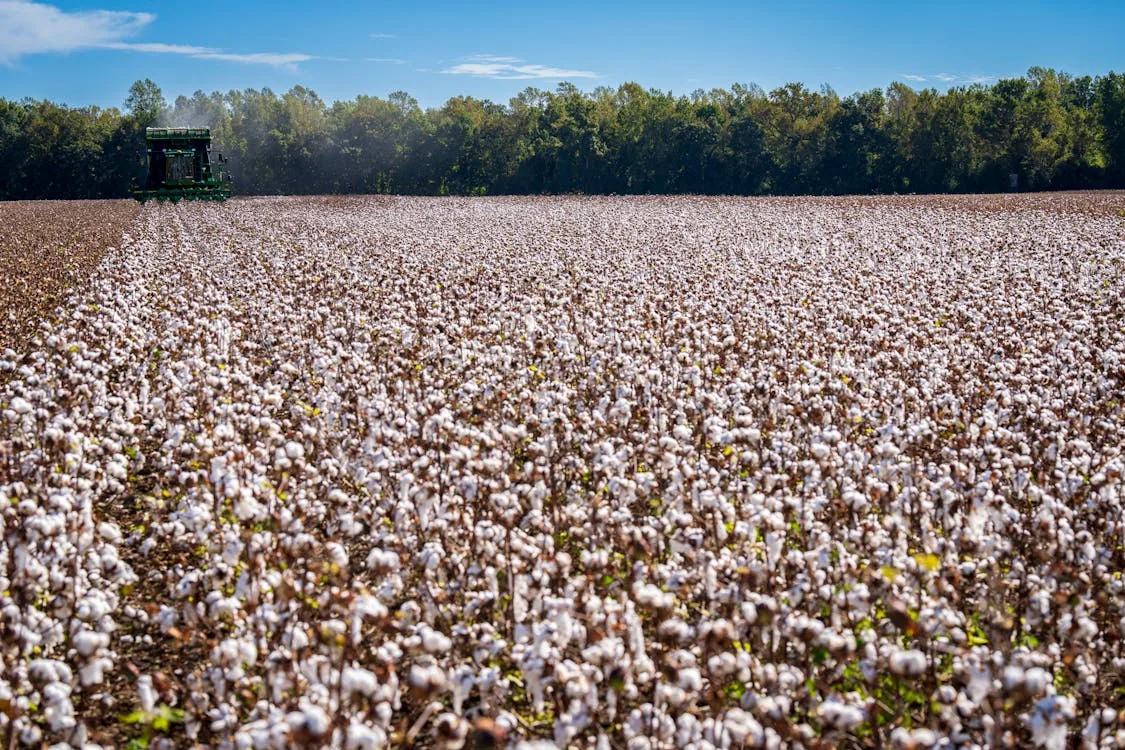
GOTS (Global Organic Textile Standard)
The international standard for organic textile production from raw material to finished product. Requires a minimum of 70% organic fiber content and compliance with environmental and social criteria. It's the most sought-after certification by parents for baby clothing.
OEKO-TEX Standard 100 Class 1
The strictest chemical safety class for baby products. Tests for more than 350 harmful substances. Recommended for all products manufactured for babies 36 months and younger.
SEDEX / SMETA
A social responsibility platform that audits ethical working conditions across the supply chain. The vast majority of European retailers require SEDEX membership from their suppliers.
BCI (Better Cotton Initiative)
A global initiative promoting sustainable cotton production. Covers criteria focused on environmental impact, community benefit, and economic efficiency.
Why Is Organic Children's Clothing Production on the Rise?
The global organic textile market reached USD 58.21 billion in 2025, projected to grow to USD 305.73 billion by 2035 — representing an annual growth rate of 18% (Market Research Future, 2025). Parents' shift toward chemical-free, natural fabrics is the primary driver.
By 2026, 40% of new children's clothing collections are expected to feature recycled materials (Accio, 2025). The eco-friendly kids' apparel segment is projected to see 15-20% growth. Turkey's 1,730 GOTS-certified facilities offer ready-made infrastructure to meet this demand.
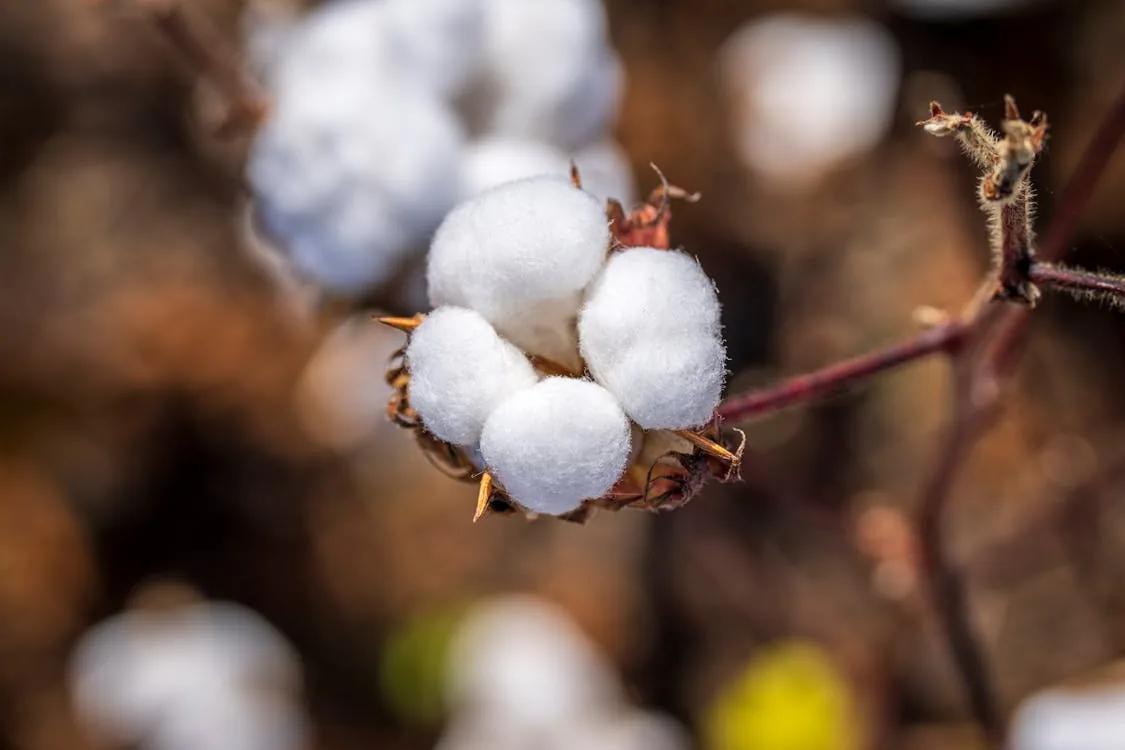
Organic production isn't driven solely by consumer demand — regulatory pressure is also a factor. France is banning PFAS (persistent chemicals) in textiles from January 2026. Such regulations give a competitive advantage to suppliers capable of certified production.
What Are the EU Safety Standards for Children's Clothing?
The European Union applies the world's strictest safety standards for children's clothing. Manufacturers looking to export to the EU must fully comply with EN 14682, EN 14878, and REACH regulations (CBI, 2025).
| Standard | Scope | Importance for Children's Clothing |
|---|
| EN 14682 | Drawstring and cord safety | Prevents strangulation risk — mandatory for all garments under age 14 |
| EN 14878 | Flammability testing | Required for nightwear and pajamas |
| REACH | Chemical substance restrictions | 233+ restricted substances — compliance required in dyes, finishes, and accessories |
| PFAS Ban (2026) | Persistent chemicals | Effective in France from January 2026 — expected to expand across the EU |
Most Turkish manufacturers already comply with EU standards under the Customs Union framework. Products manufactured at OEKO-TEX and GOTS-certified facilities meet these requirements by default.
How Do Private Label and White Label Production Models Work?
Children's clothing manufacturers in Turkey typically serve through two main business models: private label (custom brand) and white label (ready collection).
Private Label Production
The buyer brings their own design, branding, and labels; the manufacturer produces to these specifications. The process typically covers collection design, sample development, fabric selection, production, and quality control. This model is ideal for retailers and e-commerce brands looking to build a unique brand identity.
White Label Production
The manufacturer offers a ready-made collection, and the buyer enters the market with their own labels. This provides fast launch capability, lower minimum order quantities, and savings on design costs. Manufacturers offering 600+ models per season are available.
Budget, timeline, and brand strategy are the determining factors when choosing between these models. New-to-market brands often start with white label and transition to private label as volumes increase.
Production Process: How Does It Work from Design to Delivery?
Children's clothing manufacturing in Turkey is a meticulously managed process from raw material sourcing to final quality control.
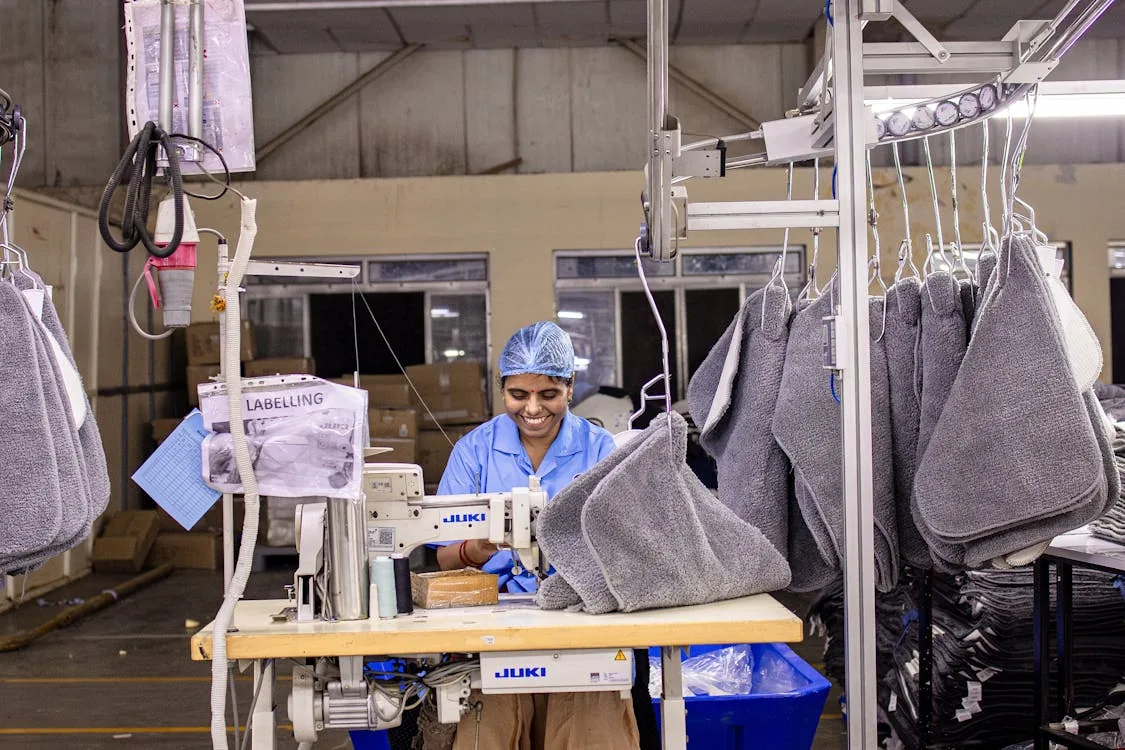
- Briefing & Design: Buyer shares requirements; manufacturer prepares technical drawings and collection proposals.
- Sample Development: Initial prototype (proto sample) is prepared and buyer approval is obtained. Typically 1-2 revision rounds.
- Fabric Sourcing: Knitted or woven fabric is sourced from certified suppliers. GOTS-approved raw materials are used for organic production.
- Dyeing & Printing: Fabric dyeing, digital or rotary printing is applied. OEKO-TEX compliant dyes and chemicals are preferred.
- Cutting & Sewing: CAD-assisted cutting and production on industrial sewing lines. Facilities with 90,000+ monthly capacity are common.
- Quality Control: In-line and final inspection at AQL (Acceptable Quality Level) standards. Every piece is individually inspected.
- Packaging & Shipping: Custom packaging, labeling, and logistics management. Door-to-door delivery to Europe in 3-7 days.
This process takes an average of 8-12 weeks from briefing to first shipment. White label orders with ready stock can be delivered in as little as 1-2 weeks.
Frequently Asked Questions
What is the minimum order quantity for importing children's clothing from Turkey?
Minimum order quantities vary by manufacturer and model. Private label typically requires 300-500 pieces per style, while white label can start as low as 50-100 pieces. Manufacturers like Zeynep Giyim offer significantly more flexibility with small lots compared to Far East alternatives, making Turkey an accessible option for brands of all sizes.
How much does GOTS-certified children's clothing production cost?
GOTS-certified organic production typically results in 15-25% higher costs compared to conventional manufacturing. However, organic products command 30-50% higher retail prices, providing a margin advantage. The global organic textile market's 18% annual growth justifies this investment (Market Research Future, 2025).
What documents are needed for exporting children's clothing from Turkey to Europe?
Under the EU Customs Union, the A.TR movement certificate is the primary document. CE conformity declaration, REACH test reports, EN 14682 compliance certificates, and flammability tests may also be required depending on the product. GOTS and OEKO-TEX certifications add value but aren't mandatory.
How can quality assurance be ensured without visiting the production facility?
SEDEX/SMETA audit reports, BSCI evaluations, and third-party quality control companies (SGS, Bureau Veritas, Intertek) enable remote auditing. Most Turkish manufacturers also offer video factory tours and real-time production tracking.
What is the biggest disadvantage of Turkish manufacturers compared to the Far East?
Labor costs are higher than Bangladesh and Vietnam — at USD 4-6 per hour (SourceReady, 2025). However, this difference is offset by lower logistics costs, shorter delivery times, small order flexibility, and higher quality standards. Turkey has a clear advantage, especially in mid-to-premium segment children's clothing.
Further Reading for B2B Buyers
Topic-specific deep dives that complement this pillar guide:
Conclusion: Turkey as a Strategic Partner in Children's Clothing Sourcing
With a USD 14.5 billion textile sector, 1,730 GOTS-certified facilities, and 3-7 day delivery to Europe, Turkey is a strategic partner for children's clothing sourcing. Experienced manufacturers like Zeynep Giyim combine the EU Customs Union advantage, robust certification infrastructure, and vertically integrated production to deliver the quality and compliance buyers demand.
With the organic textile market growing 18% annually and tightening EU environmental regulations, GOTS-certified Turkish manufacturers will see even stronger demand in the coming years. At Zeynep Giyim, we bring decades of children's clothing expertise to every project — get in touch to discuss your requirements.