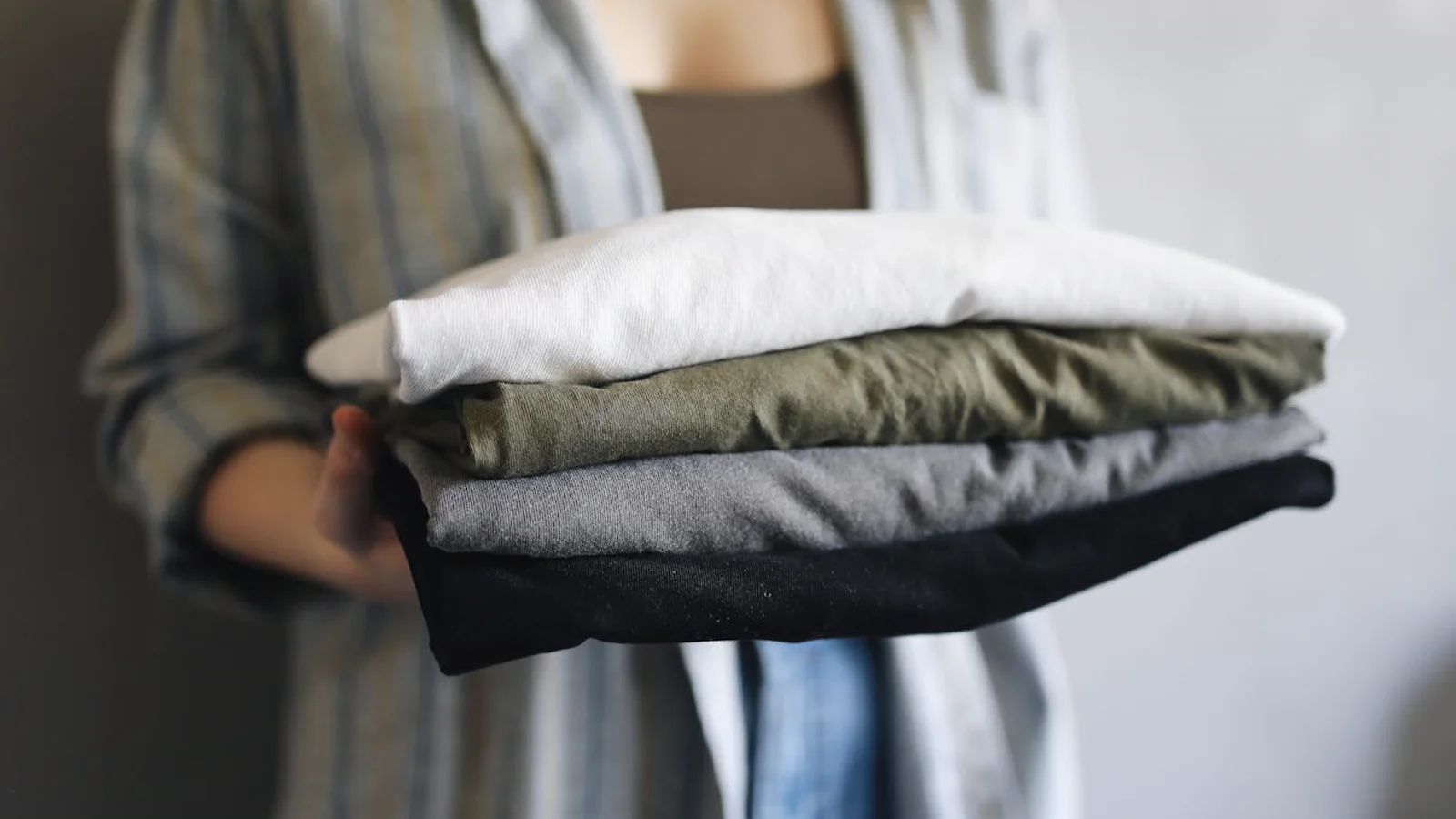
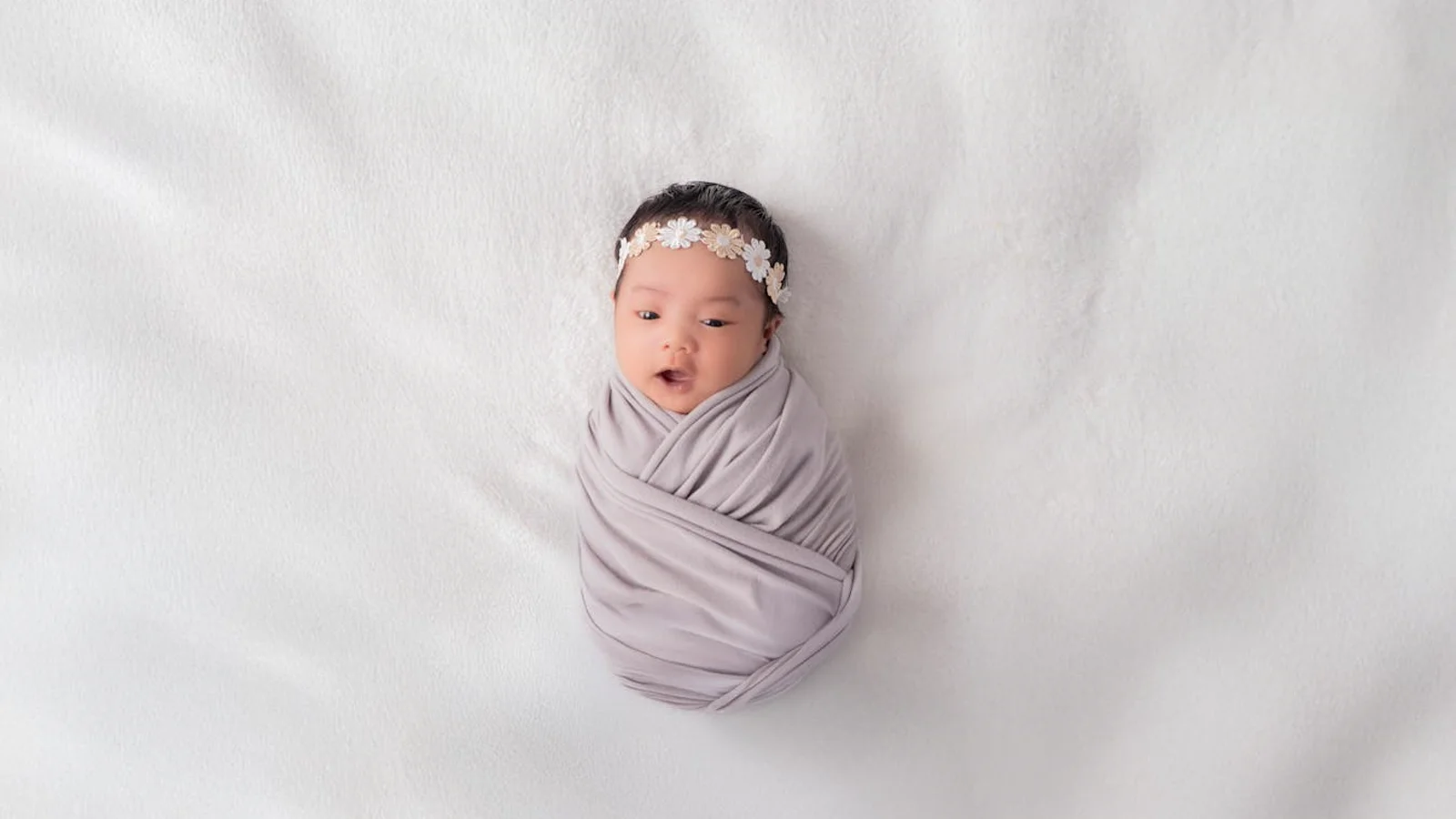
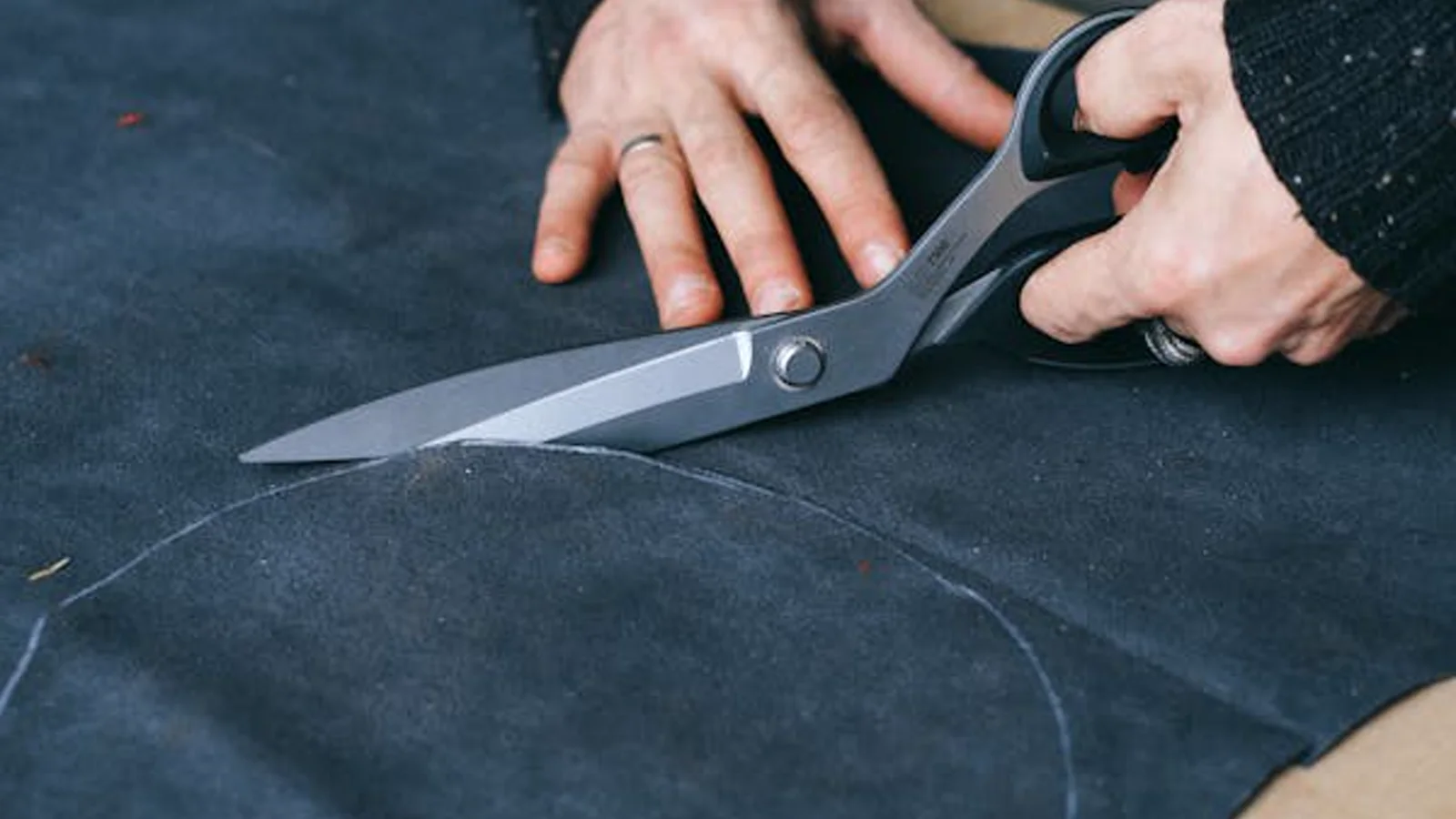
Kids' t-shirts are the entry product for almost every boutique children's clothing brand: low-GSM knits, fast turnover, year-round sell-through. Turkey has Europe's largest knit t-shirt production base and is especially well-suited to boutique private-label brands — private-label MOQs start at 300 pieces, GOTS-certified organic cotton supply is abundant, and finished goods reach EU buyers in 3-5 days by truck. This guide maps Turkey's kids' t-shirt manufacturing ecosystem, pricing tiers, quality checks, and how to shortlist the right factory for your brand.
Key Takeaways
- Private-label kids' t-shirt MOQs in Turkey start at 300 pcs/style — 10x lower than China's 3,000+ MOQs.
- Single jersey (140-180 gsm) organic cotton tees are produced FOB $2.40 - $5.80 depending on style, weight, and print complexity.
- GOTS and OEKO-TEX Standard 100 Class I certifications are practically mandatory for baby/kids' tee exports to the EU/UK/US.
- DTG (direct-to-garment) offers low-MOQ flexibility; screen printing wins unit-cost battles at 500+ pcs.
- Istanbul, Izmir, Bursa, and Usak are the densest clusters for knit kids' tee production.
Turkey's Kids' T-Shirt Manufacturing Ecosystem
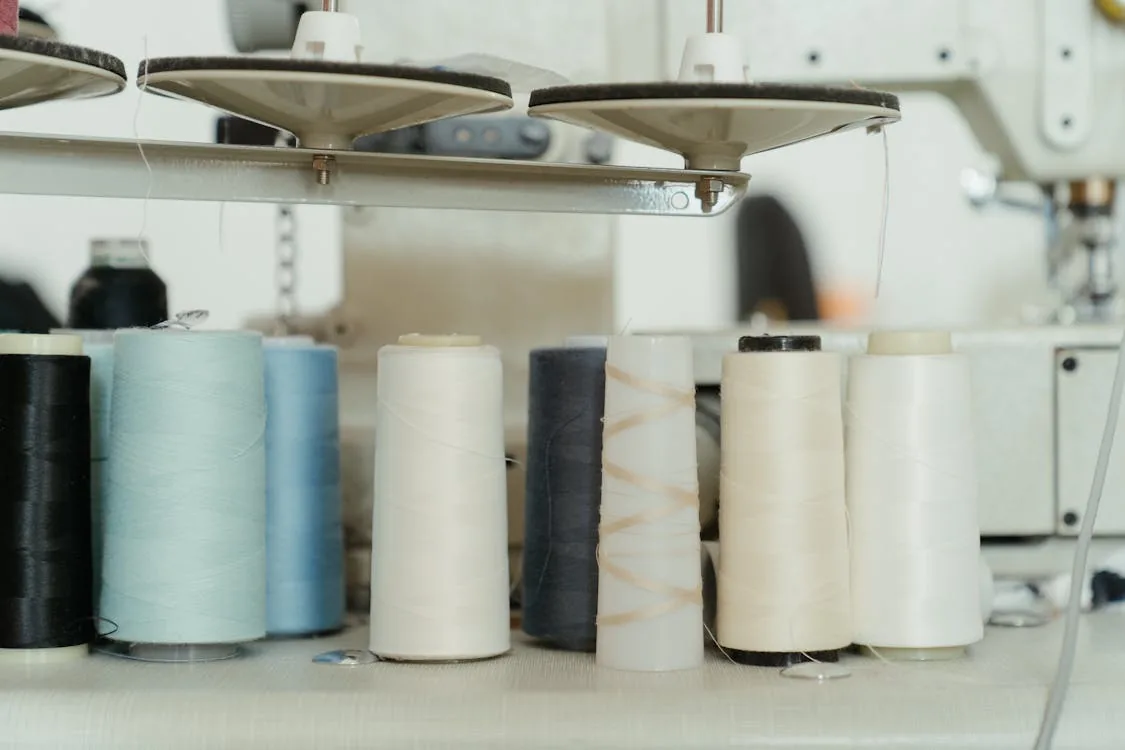
Turkey's t-shirt production strength comes from vertical integration in city clusters: knitters, dye-finishing mills, print houses, and cut-and-sew units operate within the same 50 km radius. This enables 2-3 week sample turnarounds and 45-60 day bulk production — significantly faster than China's 75-90 days or Bangladesh's 90-120 days (Turkish Exporters Assembly, 2025).
Common fabric options for kids' tees:
- Single jersey (140-180 gsm): The default — breathable, lightweight — used across 0-14 year tees.
- Slub jersey (160-200 gsm): Textured, premium boutique feel; popular in girls' lines.
- Interlock (200-240 gsm): Dual-face, more durable — suits 2-8 year basics.
- Organic cotton single jersey: 500+ GOTS-scope-certified Turkish producers (Textile Exchange, 2025).
Private Label Kids' T-Shirt MOQ Structure
Turkish manufacturers offer a far more flexible MOQ ladder than Asian alternatives:
| Production Type | MOQ per Style | Typical Variant Count |
|---|
| Stock fabric + your cut/label (soft private) | 150-300 pcs | 3-5 colors/sizes |
| Full private label (custom fabric + print + label) | 300-500 pcs | 4-6 variants |
| Custom knit + dye-recipe full private | 500-1,000 pcs | Varied |
| Established large-scale brand | 1,000+ pcs | Full color-size matrix |
For multi-style collections, the total-units rule often applies: 3 styles x 200 pcs (=600 total) is usually acceptable, letting boutique brands test a full SS collection with moderate capital.
2026 FOB Price Bands
Single-piece FOB pricing at typical MOQ tiers (DDP/CIF additional):
| Item | MOQ 300-500 | MOQ 1,000-2,000 | MOQ 5,000+ |
|---|
| Basic single jersey tee (140 gsm) | $2.40 - $3.20 | $2.10 - $2.80 | $1.80 - $2.40 |
| GOTS organic single jersey | $3.20 - $4.20 | $2.90 - $3.80 | $2.60 - $3.40 |
| Printed (DTG, 1-4 colors) | +$0.60 - $1.20 | +$0.50 - $1.00 | +$0.35 - $0.75 |
| Slub jersey premium | $3.80 - $5.20 | $3.40 - $4.60 | $3.00 - $4.20 |
| Embroidered/appliqued premium tee | $4.40 - $5.80 | $4.00 - $5.20 | $3.60 - $4.80 |
For a full breakdown of how these prices are built, see our Turkey children's clothing manufacturing cost guide.
Printing and Decoration Techniques
For kids' tees, print quality and skin safety are the two top priorities — especially for 0-3 year buyers. The most common decoration techniques in Turkey:
- DTG (Direct-to-Garment): Viable from 50 pcs. Photographic detail, unlimited colors. Higher unit cost but ideal for low-MOQ capsule drops.
- Screen print (silkscreen): Most economical from 500+ pcs. Insist on OEKO-TEX certified water-based or plastisol inks — avoid PVC-heavy plastisols for 0-3 year ranges.
- Transfer print (DTF/plastisol transfer): Limited durability — may crack after 30-40 washes. Not recommended for premium boutique brands.
- Embroidery and appliques: Boutique-brand positioning; adds $0.80 - $1.50 per piece.
Write into the PO that all prints use OEKO-TEX certified inks — particularly for 0-3 year ranges, where EU EN 71-3 heavy-metal migration limits are mandatory (Europa.eu, 2025).
Quality Control Checklist
- Fabric GSM verification: ISO 3801, +/-5% tolerance.
- Color fastness: ISO 105 E04 (perspiration), ISO 105 C06 (washing) — minimum 4/5 rating.
- Stitch and thread defects: AQL 2.5 sampling — max 25 minor defects per 1,000 pcs.
- Print durability test: No color loss after 40 wash cycles.
- Size consistency: EU/Turkey size chart, +/-1 cm tolerance across sampled pieces.
How to Shortlist the Right Manufacturer
Turkey's market has over 1,000 knit t-shirt cut-and-sew workshops (knit products trade fair data, 2025). To narrow down to the right partner, apply these four filters:
- Certifications: GOTS (organic), OEKO-TEX Standard 100 Class I, plus SEDEX SMETA or BSCI (ethical production).
- Sector focus: Ask for references showing 3+ years working with similar-size boutique kids' brands.
- MOQ flexibility: Openness to 300-pc private label and 50-100 pc sample runs.
- Technical capacity: In-house knitting/dye vs. outsourced — full vertical integration shortens lead times.
For a step-by-step approach, read our how to find a children's clothing manufacturer in Turkey guide.
Related Product Categories
Kids' tees are usually the entry point for boutique brands — but the same knit manufacturers produce related product lines you can add to expand the collection:
Frequently Asked Questions
What is the minimum order quantity for kids' t-shirts in Turkey?
Private label starts at 300 pcs per style (one design, 3-5 colors); white-label from 50-100 pcs per style. Using stock fabric and limiting variants can bring it down to 150 pcs for first-time buyers (Turkish Exporters Assembly, 2025).
What fabric should I request from a kids' t-shirt manufacturer?
For 2-12 year tees: 140-160 gsm single jersey (light, breathable). For baby (0-24 months): 160-180 gsm organic cotton single jersey. For autumn-winter: 200-240 gsm interlock. GOTS-certified organic cotton adds 20-30% to base cost but is expected by most EU/US buyers.
DTG vs screen print — which is better for kids' tees?
DTG wins for 50-300 pcs and photographic detail. Screen print wins for 500+ pcs with 1-4 color logos; it becomes 40-60% cheaper per piece after 300 pcs. Combined use (main logo screen + detail DTG) is common in boutique brands.
What certifications are mandatory for exporting kids' t-shirts?
OEKO-TEX Standard 100 Class I (strictest tier, required for 0-3 year) is effectively mandatory for EU exports. REACH and EN 71-3 (heavy metals) also apply. If claiming organic, a GOTS Scope Certificate is required for the finished product.
Istanbul, Izmir, or Bursa — which city is best for kids' tee manufacturing?
Istanbul for boutique brands, fast sampling and DTG. Bursa is the main knit-fabric sourcing hub. Izmir has the strongest GOTS organic cotton base. Usak is better for cheap high-volume production. Most boutique brands finalize in Istanbul while knitting in Bursa.
Ready to launch your kids' tee line? Explore our kids' wear manufacturing capabilities — private-label kids', baby, and women's apparel with 25+ years of experience, 300-piece starting MOQ, and full GOTS/OEKO-TEX compliance. Contact Zeynep Textiles for sample quotes.