With 1,730 GOTS-certified facilities, Turkey is home to one of the densest clusters in the world for organic baby clothing sourcing (GOTS / Ecotextile News, 2025). But for buyers, the real question isn't "how many facilities exist" — it's "which ones have a currently valid license, operate at Class 1 (baby) level, and match my MOQ?" This guide walks through the practical steps for shortlisting GOTS certified baby clothing manufacturers in Turkey: license verification, pricing expectations, MOQ bands, GOTS label levels, and the questions to ask on the first call.
Shortlisting a GOTS Certified Baby Clothing Manufacturer in Turkey: 5 Steps
The five steps below map the practical path an international buyer should follow from first outreach to shortlist:
| # | Step | What to do |
|---|
| 1 | License number verification | Check the license number, Scope Certificate date, and product scope on global-standard.org/public-database |
| 2 | GOTS label level | Is it "Organic" (≥95%) or "Made with Organic" (≥70%)? For baby, "Organic" is strongly preferred |
| 3 | Product scope | Does the Scope Certificate list "baby wear / knitted / woven" for this manufacturer? |
| 4 | MOQ & price band | Typical organic baby MOQ: 300-1,500 units/style, price premium 20-35% |
| 5 | Companion certifications | Is OEKO-TEX Class 1, GRS (recycled content), or Sedex (social audit) also available? |
Market context in one paragraph: GOTS-certified facilities hit 15,441 worldwide — a 5.2% year-over-year increase (GOTS Annual Report, 2024). The global organic baby clothing market is worth USD 2.14 billion in 2025 and will reach USD 3.04 billion by 2030 (Cognitive Market Research, 2025). Turkey is one of the few countries positioned — geographically and certifiably — to serve that demand.
Key Takeaways
- The global organic baby clothing market is worth USD 2.14 billion in 2025, reaching USD 3.04 billion by 2030 (Cognitive Market Research, 2025).
- Over 70% of parents prefer organic fabrics for baby clothing (Fortune Business Insights, 2025).
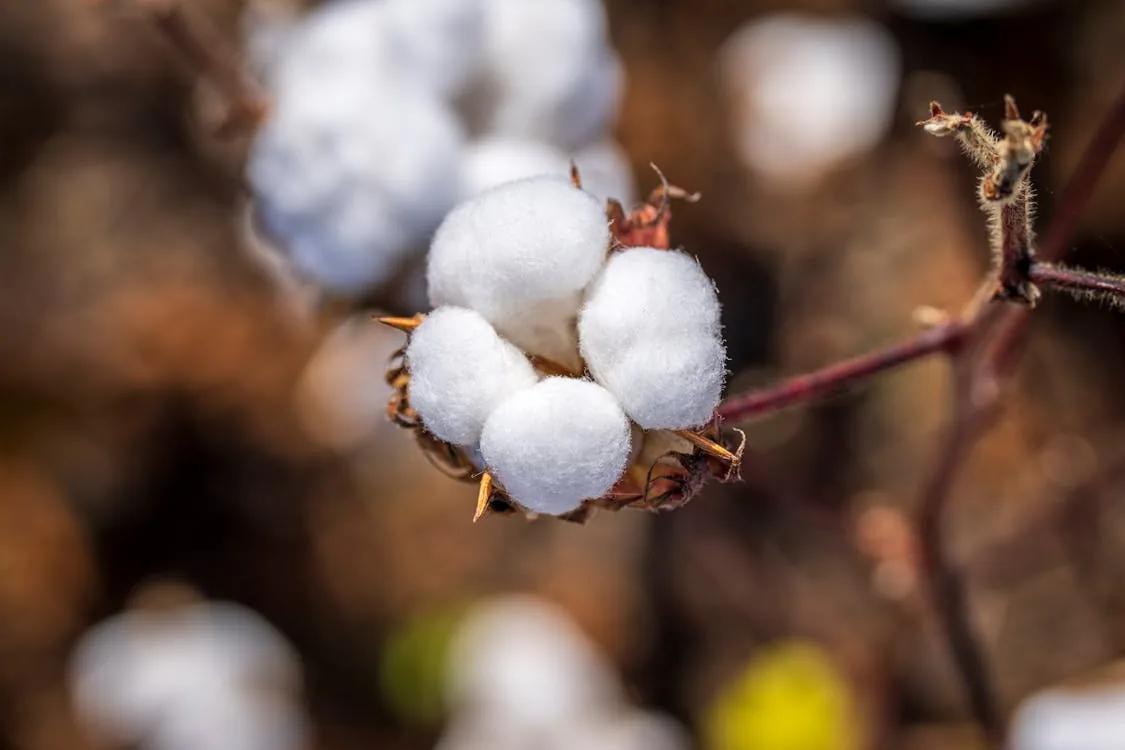
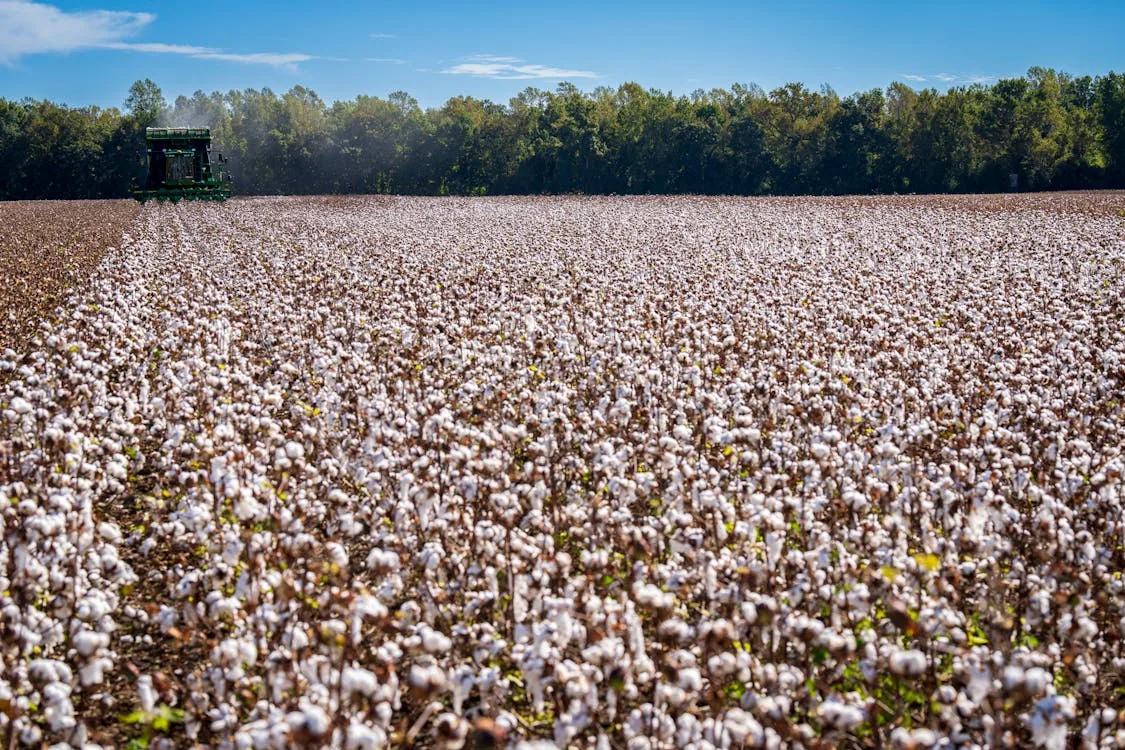
- Turkey produces 24% of the world's organic cotton, ranking 2nd globally (Textile Exchange, 2024).
- GOTS bans 100+ harmful chemicals and requires social/labor standards across the entire supply chain.
What Exactly Does GOTS Certification Mean?
GOTS stands for Global Organic Textile Standard, established in 2006. It sets globally recognized criteria for the processing, manufacturing, packaging, labeling, trading, and distribution of textile products containing organic fibers.
GOTS certification is issued at two labeling levels:
| Label | Organic Fiber Content | Usage |
|---|
| "Organic" | Minimum 95% organic fiber | Premium organic products, baby clothing |
| "Made with Organic" | Minimum 70% organic fiber | Transitional products, blended items |
GOTS evaluates not just whether the fabric is organic, but the entire production process. Environmental and social criteria are required at every stage including dyeing, printing, washing, cutting, sewing, and packaging.
Which Chemicals Does GOTS Ban?
The GOTS standard bans over 100 harmful chemicals — formaldehyde, heavy metals, azo dyes, flame retardants, and phthalates are among the primary ones (GOTS v7.0, 2025). These restrictions are particularly important given the sensitivity of baby skin. Baby skin is approximately 5 times thinner than adult skin, making the risk of chemical absorption significantly higher.
GOTS chemical restrictions even exceed the EU REACH regulation. This means GOTS-certified products are automatically considered safe for the EU market — eliminating additional testing costs and risk for buyers.
Where Does Turkey Stand in GOTS Certification?
Turkey ranks 3rd globally with 1,730 GOTS-certified facilities, after India (4,000+) and China (2,553) (GOTS / Ecotextile News, 2025). What makes Turkey unique is that it's also the world's 2nd largest organic cotton producer, accounting for 24% of global production (Textile Exchange, 2024).
This dual position — both raw material source and manufacturing hub — places Turkey at a unique point in the organic baby clothing supply chain. Buyers can complete the entire process from organic cotton cultivation to finished product within a single country, under GOTS oversight.
GOTS-Certified Facilities by Country
| Country | Facilities | Notable Feature |
|---|
| India | 4,000+ | Largest organic cotton producer (38%) |
| China | 2,553 | Large production capacity |
| Turkey | 1,730 | 2nd largest organic cotton producer (24%) |
| Bangladesh | 1,344 | Rapidly growing certification |
Why Is the Organic Baby Clothing Market Growing So Fast?
The global organic baby clothing market is valued at USD 2.14 billion in 2025, projected to reach USD 3.04 billion by 2030 at a 6.5% CAGR (Cognitive Market Research, 2025). Strong consumer demand drives this growth: over 70% of parents say they prefer organic materials for baby clothing, with 61% specifically seeking chemical-free products (Fortune Business Insights, 2025).
Millennial and Gen-Z parents' environmental awareness further strengthens this demand. Organic baby clothing content sees high engagement on social media, and the "clean label" trend is spreading from food to textiles. The GOTS label provides a reliable reference point for this conscious consumer base.
How Do You Get GOTS Certified? Process and Costs
GOTS certification is available at a cost of USD 1,500 - 5,000+ per year, varying by facility size and product range (GOTS Official / Oregon Tilth, 2025). The certification process follows these steps:
- Application: Apply through one of 26 approved certification bodies.
- Pre-assessment: Production facility, chemical usage, and supply chain documentation are reviewed.
- On-site Audit: Certification body experts visit the facility and audit production processes.
- Corrective Actions: Any deficiencies are addressed and re-evaluated.
- Certificate Issuance: Upon successful audit, a GOTS certificate and Scope Certificate are issued.
- Annual Renewal: Re-audit every year, with a EUR 180 annual fee per facility.
The process typically takes 3-6 months from application to certification.
What Are the Differences Between GOTS, OEKO-TEX, and OCS?
| Criteria | GOTS | OEKO-TEX Standard 100 | OCS |
|---|
| Scope | Entire supply chain | Finished product only | Traceability only |
| Organic fiber requirement | 70-95% mandatory | None (not an organic cert) | Variable |
| Chemical restrictions | 100+ banned substances | 100+ tested substances | None |
| Social/labor criteria | Yes (ILO-based) | No | No |
| Environmental policy | Required | Not required | Not required |
GOTS is the most holistic standard, covering environmental, social, and chemical safety criteria. OEKO-TEX is complementary — it verifies the chemical safety of the product but doesn't address organic content or production processes. Best practice is to carry both certifications together.
Frequently Asked Questions
Are GOTS-certified products truly 100% organic?
GOTS offers two levels: the "Organic" label requires minimum 95% organic fiber, while "Made with Organic" requires minimum 70%. The remaining percentage must also be GOTS-approved synthetic or natural fiber. There are 15,441 facilities worldwide producing to these standards (GOTS, 2024).
How long does it take to get GOTS certified?
The process averages 3-6 months from application to certification. Annual costs range from USD 1,500-5,000+. Annual re-auditing is mandatory (GOTS Official, 2025).
Why is organic baby clothing more expensive?
Organic cotton represents only 1.4% of global cotton production (Textile Exchange, 2024). Limited supply, certification costs, and specialized processes increase prices. However, over 70% of parents are willing to pay this premium (Fortune Business Insights, 2025).
Can GOTS and OEKO-TEX certifications be obtained together?
Yes, and this is best practice. GOTS verifies the organic production process, while OEKO-TEX confirms the chemical safety of the finished product. Together, they provide complete assurance covering both process and product safety. The majority of Turkey's 1,730 GOTS-certified facilities also hold OEKO-TEX certification. Manufacturers like Zeynep Giyim that hold both certifications can offer buyers end-to-end quality assurance.
Conclusion: GOTS Is the Gold Standard for Organic Baby Clothing
With the USD 2.14 billion organic baby clothing market growing at 6.5% annually, GOTS certification is becoming increasingly critical for both buyers and manufacturers. Turkey, with its 1,730 GOTS-certified facilities and 24% share of global organic cotton production, sits at the center of this market.
For buyers looking to source organic baby clothing, GOTS-certified Turkish manufacturers offer solutions that are audited from raw material to finished product, EU-compliant, and competitively priced. At Zeynep Textiles, we bring years of GOTS-certified organic baby and children's clothing production expertise to every project. Get in touch to discuss your requirements.