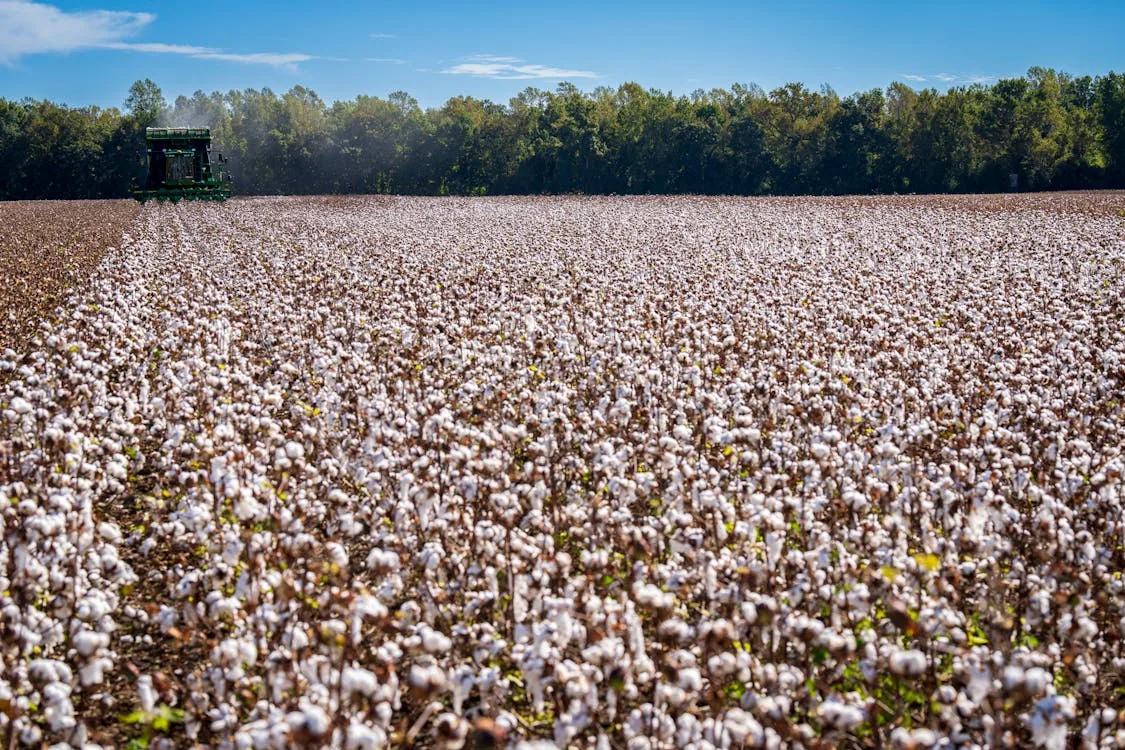
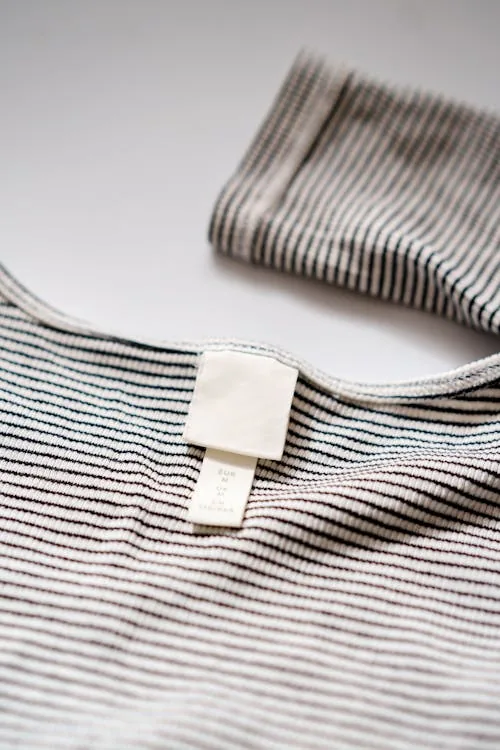
Over 70% of baby-apparel buyers now specify organic cotton fabric (Fortune Business Insights, 2025) — but understanding the supply chain behind the "organic cotton" label is what separates credible sourcing from greenwashing. This guide walks through Turkey's organic cotton ecosystem step by step: from Aegean fields to spinning, GOTS-certified knitting and dyeing, through to baby-apparel sewing. Turkey supplies 24% of global organic cotton — the world's 2nd largest producer after India (Textile Exchange, 2024) — and is one of the few sourcing destinations where fiber and finished product are made in the same country.
Key Takeaways
- Turkey supplies 24% of global organic cotton — 2nd largest producer (Textile Exchange, 2024).
- 1,730+ GOTS-certified facilities enable full traceability from field to finished baby garment (GOTS, 2025).
- Organic cultivation uses 91% less water than conventional, with zero synthetic pesticides.
- An integrated supply chain (field → yarn → fabric → sewing) cuts lead times by 30-40% vs. fragmented sourcing.
- Organic premium: 15-30% on production cost, 30-50% on retail — higher absolute margin for brands.
Turkey's Organic Cotton Supply Chain in 5 Stages
Turkey's edge in sourcing organic cotton for baby clothing comes from an integrated supply chain that stays in one country. Competing sourcing hubs (India, China, Bangladesh) typically import fiber or fragment production across borders; Turkey executes every stage — from field to finished garment — under a single GOTS audit framework.
| Stage | Location | Typical Duration | Certification |
|---|
| 1. Organic cotton cultivation | Aegean, Southeast Anatolia, Çukurova | Annual harvest | GOTS / OCS land certification |
| 2. Ginning & spinning | Aydın, Denizli, Gaziantep | 2-4 weeks | GOTS Scope Certificate |
| 3. Knitting/Weaving | Bursa, Istanbul, Izmir | 3-5 weeks | GOTS + OEKO-TEX STeP |
| 4. Dyeing & printing | Bursa, Istanbul | 2-3 weeks | GOTS + ZDHC-compliant |
| 5. Baby-apparel cut-and-sew | Istanbul, Bursa, Denizli | 3-5 weeks | GOTS Scope + SEDEX/BSCI |
The biggest upside of an integrated chain is traceability. Each GOTS-certified production lot is traceable back to the farm — foundational infrastructure for the EU's Digital Product Passport (DPP), which becomes mandatory for textiles in 2027.
What Is Organic Cotton?
Organic cotton is grown without synthetic pesticides, herbicides, or genetically modified seeds (GMO). Soil fertility is maintained through natural fertilizers and crop rotation. It's certified under international standards like GOTS or OCS.
Conventional cotton accounts for 16% of the world's pesticide use despite occupying only 2.4% of cultivated land.
Cost Comparison
| Criteria | Organic Cotton | Conventional Cotton |
|---|
| Raw material cost | 20-30% higher | Baseline |
| Certification cost | USD 1,500-5,000+/year | None |
| Total production price difference | 15-30% more expensive | Baseline |
| Retail price premium | 30-50% higher | Baseline |
| Profit margin impact | Higher absolute margin | Standard margin |
Environmental Impact Comparison
| Criteria | Organic Cotton | Conventional Cotton |
|---|
| Water consumption | 91% less | ~10,000 liters per kg |
| Pesticide use | Zero synthetic | 16% of global pesticides |
| CO₂ emissions | 46% less | High |
| Soil health | Preserved via crop rotation | Degraded by monoculture |
| GMO | Prohibited | Common (80%+ globally) |
Why Does Organic Cotton Matter for Children's Clothing?
Baby skin is 5 times thinner than adult skin, making pesticide residues in conventional cotton a real risk. Over 70% of parents actively prefer organic fabrics for baby clothing (Fortune Business Insights, 2025). GOTS-certified organic cotton bans 100+ harmful chemicals.
From Organic Cotton to Baby Garment: The Certification Chain
An organic cotton label alone is not enough — every stage of production must be verified through a chain-of-custody certificate. Otherwise, greenwashing risk is high. Critical documents buyers should request:
- GOTS Scope Certificate: Facility-level certification at each stage. Not just the sewing plant — knitting mill, spinner, and fiber supplier must all be GOTS-certified.
- GOTS Transaction Certificate (TC): Issued per sales lot. Proves the quantity and origin of organic cotton. Always request this with your shipment.
- OCS (Organic Content Standard): A lighter alternative to GOTS; certifies organic content percentage but does not cover environmental or social criteria.
- OEKO-TEX STANDARD 100: Tests finished garments for harmful chemical residues. Pair with GOTS, and require Product Class I (the strictest, for baby items).
- ZDHC MRSL compliance: Evidence that dyeing and printing stages adhere to the Restricted Substances List.
Verify certificates through the official GOTS database (gots.ecert.com) or by cross-checking an OEKO-TEX certificate number. For a detailed certification checklist see our production process guide.
Frequently Asked Questions
Is organic cotton really higher quality?
Fiber quality is similar. The difference is zero chemical residues and lower environmental impact. For baby clothing, what matters most is that the fabric is safe — organic cotton guarantees this.
What are the challenges in organic cotton sourcing?
The biggest challenge is limited supply — only 1.4% of global cotton. Early ordering and working with certified suppliers is critical. Turkey-based manufacturers like Zeynep Giyim leverage the country's 24% organic cotton share to provide reliable supply access.
Conclusion
Though 15-30% more expensive, organic cotton's 91% water reduction, zero pesticides, lower CO₂, and baby safety make it worthwhile. The 30-50% retail premium delivers higher margins. At Zeynep Giyim, we bring deep organic cotton sourcing expertise backed by Turkey's 24% global share and 1,730 GOTS facilities. Get in touch to discuss your requirements.