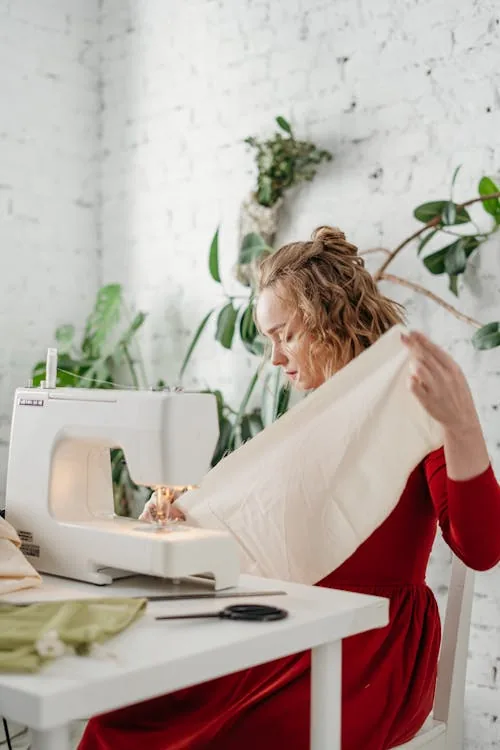
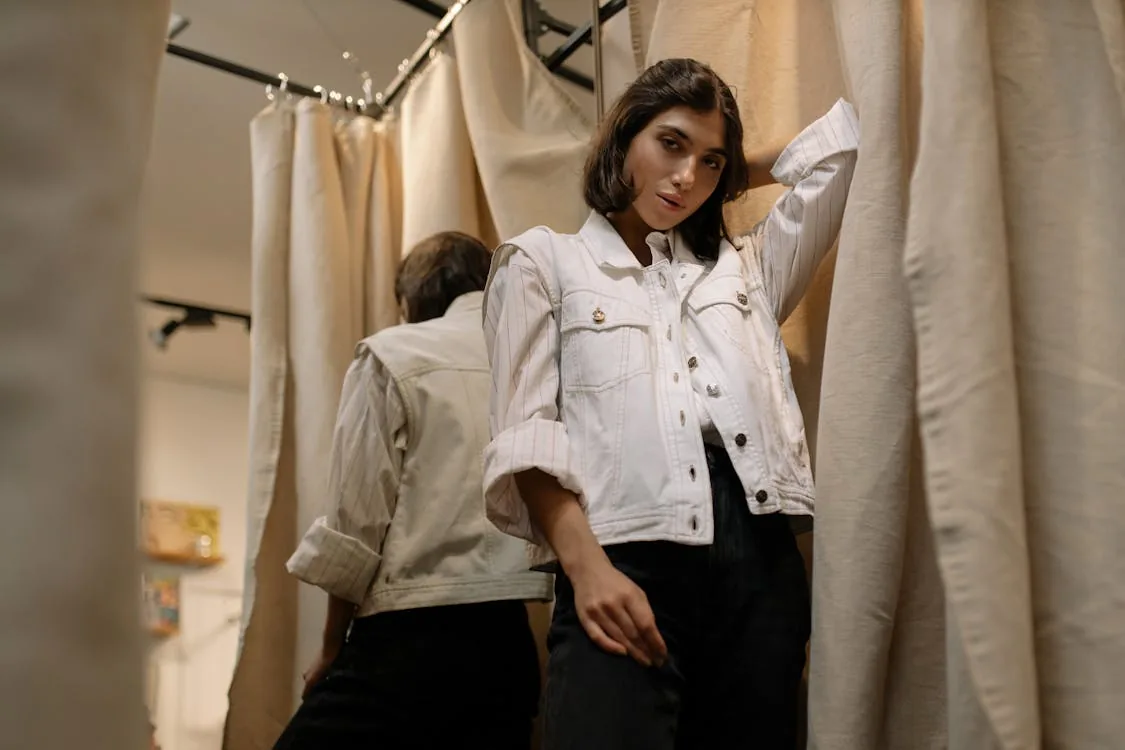
When luxury fashion brands need the finest cotton for women's clothing, they increasingly turn to one source: Turkey's Aegean region. Turkish cotton — particularly the prized Aegean variety — is renowned for its extra-long staple fibers, natural softness, and exceptional durability. With Turkey ranking as the world's 7th largest cotton producer and home to 1,730 GOTS-certified textile facilities, the country has built a cotton ecosystem that rivals any in the world (ICAC, 2025; GOTS, 2024).
Turkish Cotton at a Glance
- Turkey produces approximately 900,000 tonnes of cotton annually (ICAC, 2025).
- Aegean cotton has fiber lengths of 32-36mm — classified as extra-long staple.
- Turkey has 1,730 GOTS-certified facilities — 3rd globally (GOTS Annual Report, 2024).
- Turkish cotton exports contribute to the country's $26 billion textile industry.
- Aegean cotton accounts for approximately 35% of Turkey's total cotton production.
What Makes Turkish Cotton Different from Other Cotton?
Not all cotton is created equal. The quality of cotton depends on fiber length (staple), fiber strength, micronaire (fineness), and growing conditions. Turkish Aegean cotton excels in all four areas:
| Property | Turkish Aegean Cotton | Egyptian Cotton | Standard Upland Cotton | Chinese Cotton |
|---|
| Fiber Length | 32-36mm (extra-long) | 34-40mm (extra-long) | 25-30mm (medium) | 26-32mm (medium-long) |
| Softness | Excellent — naturally silky | Excellent | Moderate | Moderate |
| Durability | High — improves with washing | High | Moderate | Moderate |
| Absorbency | Superior — quick drying | Very good | Good | Good |
| Price Point | Premium but accessible | Premium (highest) | Budget | Budget-moderate |
| GOTS Availability | 1,730 certified facilities | Limited | Varies | 2,535 facilities |
The key distinction: Turkish Aegean cotton offers near-Egyptian quality at a significantly lower price point, with far more GOTS-certified production capacity than Egypt. This makes it the sweet spot for brands seeking premium quality without luxury pricing.
Why Does Fiber Length Matter for Women's Clothing?
Fiber length directly impacts how clothing feels, looks, and lasts. Longer fibers produce smoother, stronger yarn with fewer joins — resulting in:
- Softer hand feel: Fewer fiber ends poking out means silkier fabric against the skin
- Better drape: Smoother yarn creates fabrics that flow and drape elegantly — essential for dresses, blouses, and loungewear
- Less pilling: Longer fibers are more resistant to the tiny balls that form on fabric surfaces
- Greater durability: Stronger yarn means garments maintain shape and quality through more wash cycles
- Richer color: Smooth fibers absorb dye more evenly, producing deeper, more consistent colors
For women's clothing specifically, these properties translate into garments that look and feel premium from day one — and continue to improve with each wash. Turkish cotton t-shirts, dresses, and basics become softer over time rather than degrading, making them a smart long-term investment.
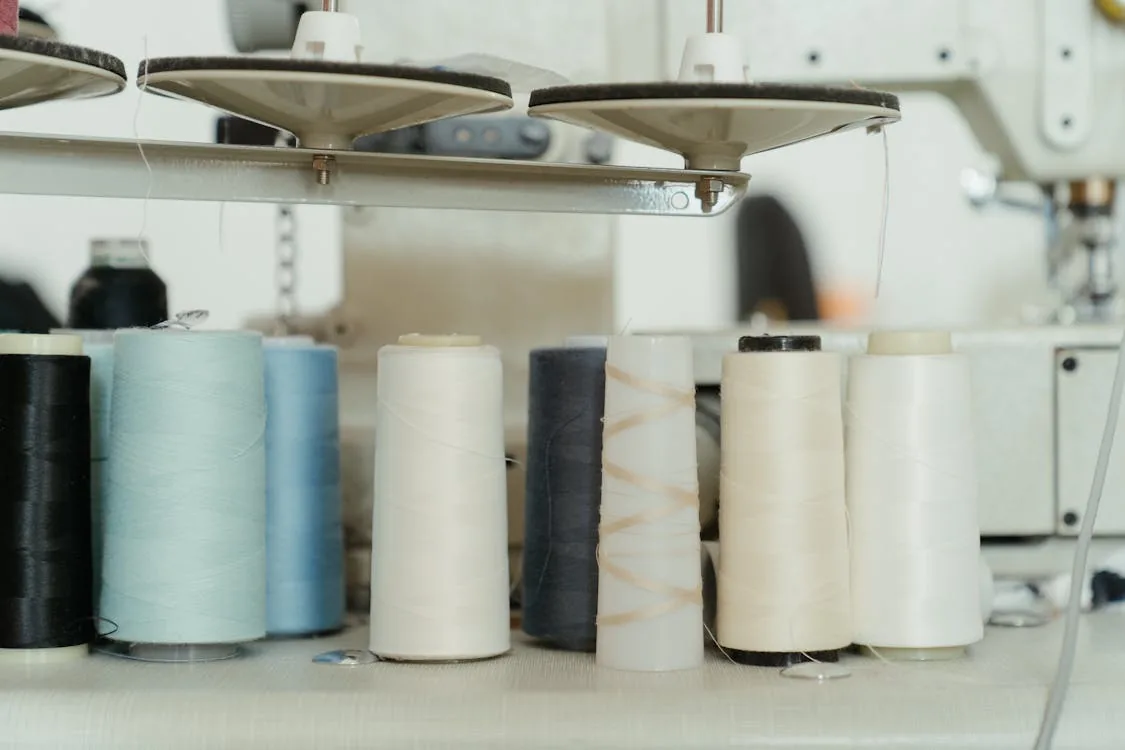
How Is Turkish Cotton Grown?
The Aegean region of western Turkey provides ideal cotton-growing conditions: hot, dry summers with abundant sunshine, fertile alluvial soil, and the moderating influence of the Aegean Sea. The Büyük Menderes (Meander), Küçük Menderes, and Gediz river valleys have been cotton-growing heartlands for centuries.
Modern Turkish cotton farming increasingly adopts sustainable practices:
- Drip irrigation: Reduces water consumption by 30-50% compared to flood irrigation
- Integrated pest management: Minimizing chemical pesticide use
- BCI membership: Turkey is a major participant in the Better Cotton Initiative
- Organic cultivation: Growing acreage dedicated to GOTS-certified organic cotton
What Certifications Should You Look for in Turkish Cotton Clothing?
GOTS (Global Organic Textile Standard)
The gold standard for organic textiles. GOTS certification ensures minimum 70% organic fiber content, strict environmental criteria for processing, and fair labor conditions. Turkey's 1,730 GOTS-certified facilities make it one of the world's leading sources of certified organic cotton clothing.
OEKO-TEX Standard 100
Tests for over 350 harmful substances. Class I (suitable for babies) is the strictest level. This certification ensures the finished garment is free from chemicals that could harm skin — particularly important for clothing worn directly against the body.
BCI (Better Cotton Initiative)
Ensures cotton is grown with responsible practices — reducing water usage, minimizing chemical inputs, and promoting fair labor. Many Turkish cotton farms are BCI members.
Which Types of Women's Clothing Benefit Most from Turkish Cotton?
Everyday Basics
T-shirts, tank tops, and basic long-sleeves in Turkish cotton feel noticeably softer and maintain their shape better than standard cotton alternatives. The extra-long staple fibers resist stretching and pilling.
Dresses
Cotton dresses require excellent drape and softness — two areas where Turkish cotton excels. Summer maxi dresses, shirt dresses, and casual day dresses in Aegean cotton have a premium feel that's immediately noticeable.
Loungewear & Pyjamas
Loungewear, pyjama sets, and layering pieces benefit enormously from Turkish cotton's breathability and softness. For comfort-first pieces worn at home and out, fabric quality is critical — Turkish combed cotton delivers superior airflow and moisture management, which is why Istanbul ateliers such as Zeyland Homewear build their women's ranges around it.
Activewear & Relaxed Daywear
Turkish cotton's exceptional absorbency and quick-drying properties make it ideal for relaxed activewear and daywear. Yoga tops, casual joggers, and sleep sets in Turkish cotton offer hotel-quality comfort.
How to Identify Genuine Turkish Cotton
- Check the label: Look for "Made in Turkey" and fabric composition showing 100% cotton or cotton-blend with specified percentages.
- Look for certifications: GOTS, OEKO-TEX Standard 100, or BCI labels indicate verified quality and safety.
- Feel the fabric: Genuine Turkish cotton has a distinctive silky softness that's smoother than standard cotton.
- Check opacity: Quality Turkish cotton has a denser weave — it should not be sheer or transparent when held to light.
- Research the brand: Reputable Turkish manufacturers are transparent about their cotton sourcing and certifications.
FAQ: Turkish Cotton for Women's Clothing
Is Turkish cotton better than Egyptian cotton?
They're comparable in quality. Egyptian cotton (Giza varieties) has slightly longer fibers (34-40mm vs. 32-36mm), but Turkish Aegean cotton offers nearly identical softness and durability at a lower price point. Turkey also has far more GOTS-certified production facilities, making it the better choice for certified organic cotton clothing.
Why is Turkish cotton more expensive than regular cotton?
The extra-long staple fibers, specialized growing conditions, and often organic/certified production processes add cost. However, Turkish cotton garments last significantly longer and improve with washing, making them more economical per-wear than cheap cotton alternatives.
Does Turkish cotton shrink?
Quality Turkish cotton clothing is pre-shrunk during manufacturing. Expect minimal shrinkage (1-3%) if washed according to care instructions. The fabric actually becomes softer with each wash while maintaining its shape.
How should I care for Turkish cotton clothing?
Machine wash at 30-40°C with similar colors. Avoid bleach and high-heat drying. Tumble dry on low or air dry. Turkish cotton's natural durability means it handles regular washing well, but gentle care maximizes longevity.
B2B Buyer? Zeyland Homewear Produces Women's Clothing for International Brands
The insights above describe Turkey's women's fashion landscape for consumers. For wholesale buyers, private-label brands, and retailers planning collections from this market, Zeynep Textiles operates Zeyland Homewear — a dedicated women's loungewear, pyjama, and sleepwear atelier with GOTS 7.0 readiness on organic lines, and A.TR-qualified 0% EU duty shipments. Explore our women's clothing manufacturing hub for MOQs, certifications, and B2B capabilities, or contact our team for sample quotes.