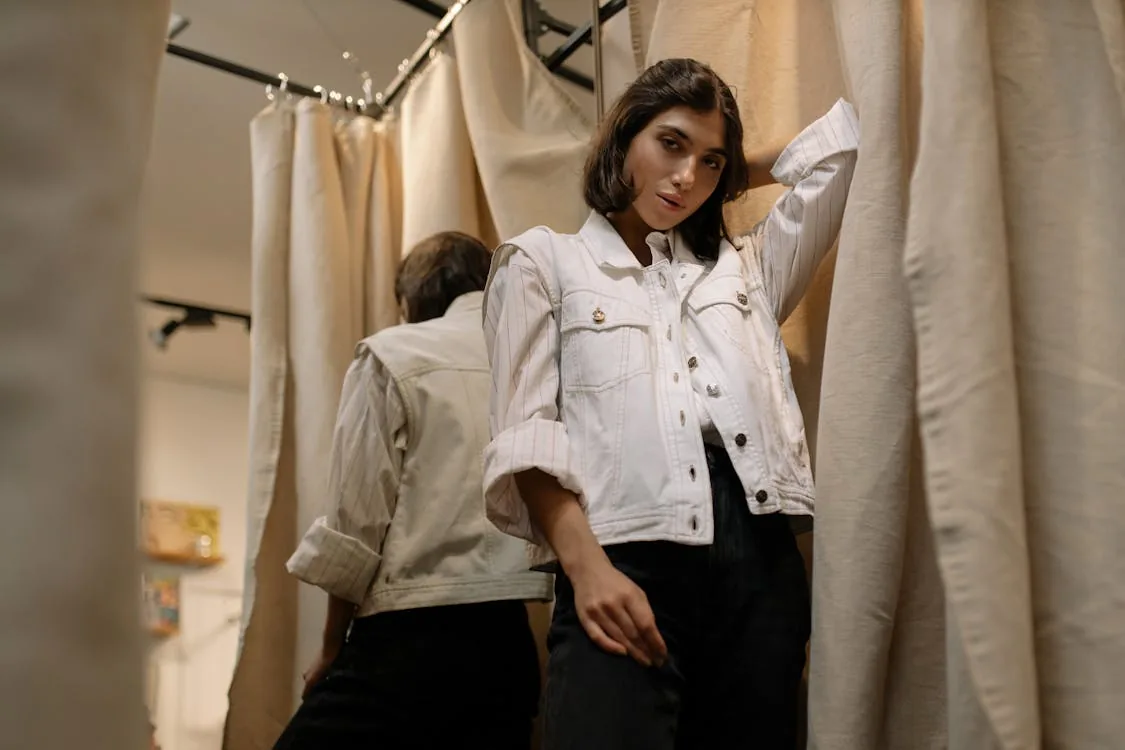
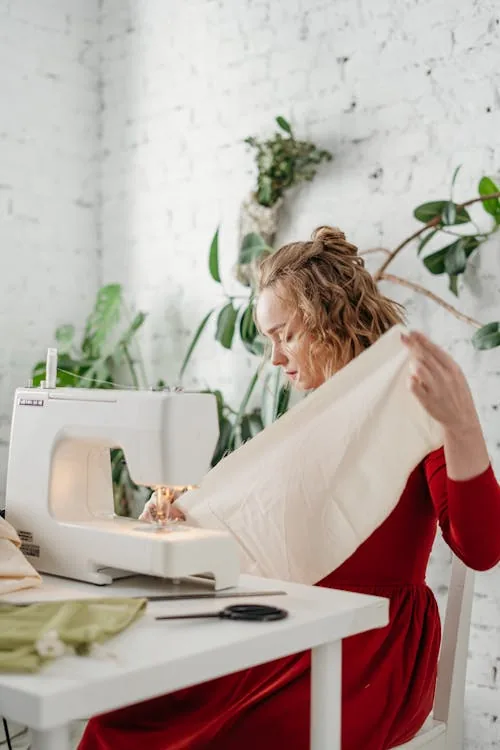
Turkey's fashion industry generated $26 billion in textile and apparel exports in 2025, making it the world's 5th largest textile exporter and the EU's 2nd largest textile supplier (TİM, 2025). But Turkey is far more than a manufacturing hub — it's a vibrant fashion capital where East meets West, tradition blends with innovation, and quality meets affordability. In this guide, we explore everything you need to know about Turkish women's fashion in 2026.
Key Facts About Turkish Fashion
- Turkey is the 5th largest textile exporter globally, tied with Italy at ~$12B (WTO, 2025).
- Istanbul Fashion Week attracts 200+ designers and international buyers each season.
- Women's loungewear and knitwear make up one of Turkey's fastest-growing export segments, led by the Istanbul-Bursa corridor.
- Over 59,500 registered textile companies operate in Turkey with nearly 1 million employees (Statista, 2024).
Why Is Turkish Women's Fashion Gaining Global Attention?
Turkish women's fashion has gained global recognition for three key reasons: unmatched fabric quality, minimal, modern design that sits comfortably in the "comfort & chic" space, and competitive pricing compared to European brands. Turkey sits at the crossroads of Europe and Asia, and this cultural fusion shows in its fashion — elegant silhouettes inspired by Mediterranean style, rich textiles rooted in centuries-old Anatolian traditions, and modern cuts that rival Milan and Paris.
In 2026, Turkish designers are leading in several global trends: oversized linen blazers, handcrafted lace detailing, and earthy Mediterranean color palettes. Istanbul has become a fashion destination in its own right, with districts like Nişantaşı and Karaköy hosting boutiques that attract style-conscious shoppers from Europe, the Middle East, and beyond.
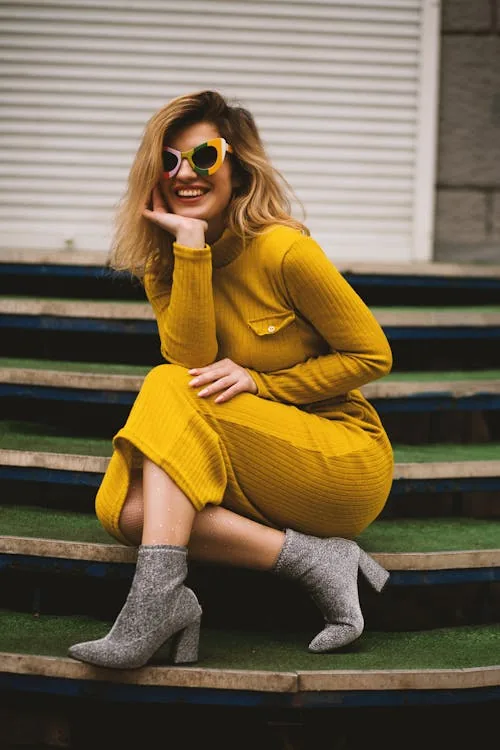
What Are the Defining Styles of Turkish Women's Clothing?
Turkish women's fashion encompasses a wide spectrum, from minimal daily-wear to elevated capsule pieces. Here are the signature styles that define Turkish fashion in 2026:
1. Mediterranean Elegance
Flowing fabrics, neutral tones, and relaxed silhouettes characterize this perennial Turkish style. Think linen wide-leg trousers, cotton maxi dresses, and draped blouses in cream, olive, and terracotta. This style is rooted in Turkey's Aegean coast culture and translates beautifully for international wardrobes.
2. Comfort & Chic Loungewear
Turkey's women's category is increasingly defined by loungewear and pyjama sets that work both at home and out of the house. Light, breathable fabrics, minimal trims, and modern cuts turn "indoor" pieces into versatile daily-wear. Istanbul-based ateliers such as Zeyland Homewear sit at the centre of this shift.
3. Istanbul Street Style
Young Turkish designers are pushing boundaries with bold prints, oversized blazers, asymmetric cuts, and statement accessories. Istanbul's street style scene combines European minimalism with Ottoman-inspired details — think geometric embroidery on modern jacket cuts, or traditional Turkish motifs on contemporary handbags.
4. Sustainable & Organic Collections
With 1,730 GOTS-certified facilities (3rd globally after India and China), Turkey leads in sustainable fashion production. Organic cotton collections, naturally dyed garments, and zero-waste designs are increasingly popular among environmentally conscious consumers worldwide.
What Makes Turkish Fabrics Special?
The foundation of great fashion is great fabric, and this is where Turkey truly excels. Turkish textiles have been renowned for centuries — from Ottoman silks to Bursa's world-famous cotton. Today, Turkey produces some of the world's finest fabrics for women's clothing:
| Fabric | Turkish Specialty | Best For |
|---|
| Aegean Cotton | Extra-long staple, naturally soft, GOTS certifiable | T-shirts, dresses, everyday basics |
| Turkish Linen | Lightweight, breathable, naturally textured | Summer dresses, blazers, wide-leg trousers |
| Bursa Silk | Historic silk production center, lustrous finish | Evening wear, scarves, blouses |
| Modal & Tencel Blends | Eco-friendly production, silky drape | Loungewear, pyjamas, layering pieces |
| Ottoman Brocade | Handwoven metallic thread patterns | Special occasions, statement jackets |
Turkey's vertically integrated textile industry means fabric is produced, dyed, cut, and sewn in the same region — often within the same industrial zone. This reduces costs, ensures quality control, and allows rapid production turnaround of 3-6 weeks compared to 8-12 weeks from East Asian suppliers.
What Are the Top Turkish Women's Fashion Trends for 2026?
Based on Istanbul Fashion Week and emerging designer collections, these are the key trends shaping Turkish women's fashion in 2026:
Lace Revival
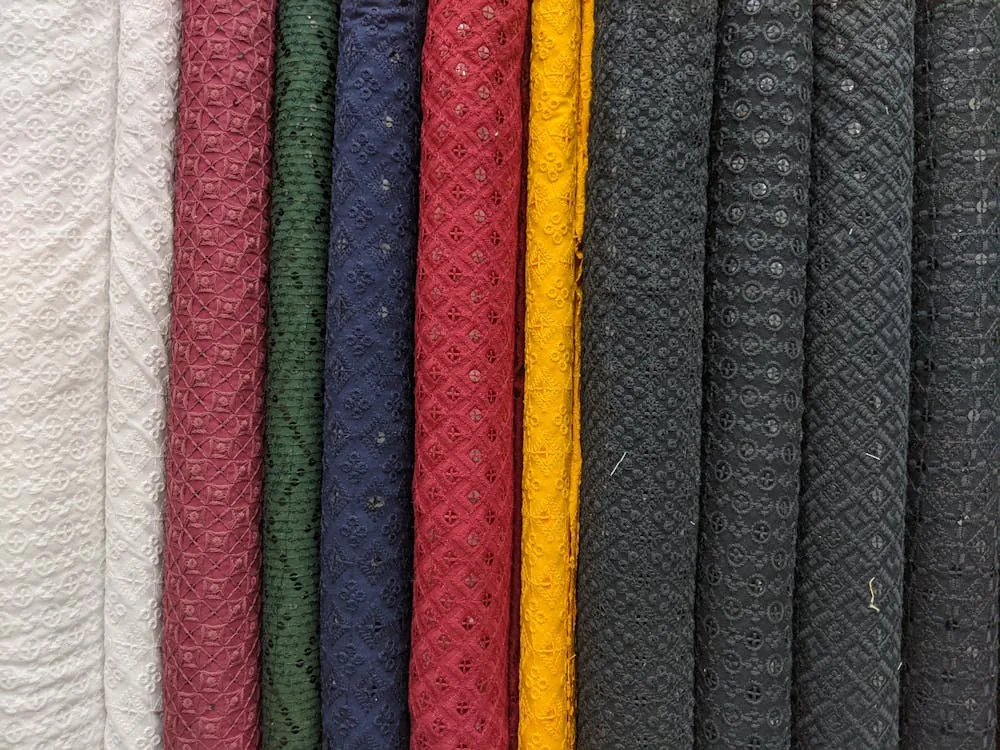
Turkish lace (oya) has been an Anatolian tradition for centuries. In 2026, designers are reinterpreting this heritage with laser-cut lace on modern silhouettes, lace-trimmed midi skirts, and delicate lace layering on evening wear. Heuritech forecasts lace as having strong growth potential across EU and US markets through 2026.
Earth Tones & Natural Palettes
Vanilla, popcorn yellow, sage green, and warm terracotta dominate Turkish collections. These Mediterranean-inspired colors align with the global shift toward nature-connected fashion. Heuritech projects +22% growth for vanilla/cream tones in European markets (Heuritech, 2026).
Oversized Tailoring
Relaxed blazers, wide-shoulder coats, and generously cut trousers continue their rise. Turkish manufacturers excel at structured tailoring using premium wool-blend fabrics, delivering a luxury feel at accessible price points.
Artisan Details
Hand embroidery, traditional Turkish iğne oyası (needle lace), and artisan beadwork are appearing on contemporary pieces. This trend aligns with the global appetite for unique, handcrafted fashion that tells a story.
How Does Turkish Fashion Compare on Price and Quality?
One of the biggest advantages of Turkish women's fashion is the quality-to-price ratio. Thanks to lower production costs (labor costs of $4-6/hour vs. $15-25 in Western Europe), vertically integrated supply chains, and EU Customs Union membership (eliminating tariffs to Europe), Turkish brands deliver premium quality at mid-range prices.
| Item Category | Turkish Brand Price Range | Comparable European Brand | Savings |
|---|
| Cotton Maxi Dress | $35 – $75 | $80 – $180 | 50-60% |
| Linen Blazer | $45 – $95 | $120 – $280 | 55-65% |
| Loungewear Set (top + bottom) | $30 – $65 | $70 – $150 | 55-60% |
| Silk Blouse | $40 – $85 | $100 – $250 | 60-65% |
| Organic Cotton Basics | $15 – $35 | $40 – $80 | 55-60% |
This pricing advantage doesn't come at the expense of quality. Turkish manufacturers use the same OEKO-TEX and GOTS-certified fabrics as luxury European brands. Many in fact produce private-label collections for well-known European retailers — the same factories, the same quality, at a fraction of the retail price.
Where Can You Shop Turkish Women's Fashion Online?
The rise of e-commerce has made Turkish fashion accessible worldwide. Here are the main channels for international shoppers:
- Direct from Turkish brands: Many Turkish manufacturers now offer direct-to-consumer online stores with international shipping. This gives you factory-direct prices and the widest selection of styles.
- International marketplaces: Turkish fashion is increasingly present on global platforms, offering curated selections with buyer protection.
- Istanbul shopping trips: For the ultimate experience, Istanbul's Grand Bazaar, Nişantaşı district, and İstinye Park mall offer world-class shopping with the full range of Turkish fashion.
What Should You Look for When Buying Turkish Clothing?
To ensure you're getting authentic, high-quality Turkish fashion, look for these markers:
- Fabric certifications: OEKO-TEX Standard 100 and GOTS labels guarantee chemical safety and organic content.
- "Made in Turkey" label: Genuine Turkish-made garments are produced under strict EU-compatible regulations.
- Fabric composition labels: Quality Turkish clothing uses natural fibers — cotton, linen, silk, wool — or certified sustainable blends like Tencel and Modal.
- Stitching quality: Turkish factories are known for European-standard finishing — check seam quality, buttonholes, and hem work.
- Size charts: Turkish sizing generally follows European standards (EU 34-50). Always check the brand's specific size guide, as fit can vary between manufacturers.
FAQ: Turkish Women's Fashion
Is Turkish clothing good quality?
Yes. Turkey is the world's 5th largest textile exporter and produces clothing for many European luxury brands. With 1,730 GOTS-certified and thousands of OEKO-TEX certified facilities, Turkish clothing meets the highest international quality and safety standards.
What does Turkish women's loungewear look like in 2026?
The dominant direction is "comfort & chic": minimal cuts, breathable modal, Tencel, and combed-cotton fabrics, and pieces versatile enough to wear both at home and out for everyday errands. Istanbul-based ateliers like Zeyland Homewear ship loungewear and pyjama sets across the EU and Gulf markets under OEKO-TEX Class II.
How do Turkish clothing sizes compare to US and UK sizes?
Turkish clothing typically uses European (EU) sizing. A Turkish/EU size 36 equals a US size 4 or UK size 8. Most Turkish brands provide detailed size charts with measurements in centimeters. For a comprehensive conversion guide, see our Turkish Size Guide.
Can I buy Turkish clothes online with international shipping?
Yes. Many Turkish fashion brands and manufacturers now ship internationally. Direct-to-consumer purchases from Turkish brands typically offer the best prices, with delivery to Europe in 3-7 days and worldwide in 7-15 days.
B2B Buyer? Zeyland Homewear Produces Women's Clothing for International Brands
The insights above describe Turkey's women's fashion landscape for consumers. For wholesale buyers, private-label brands, and retailers planning collections from this market, Zeynep Textiles operates Zeyland Homewear — a dedicated women's loungewear, pyjama, and sleepwear atelier with GOTS 7.0 readiness on organic lines, and A.TR-qualified 0% EU duty shipments. Explore our women's clothing manufacturing hub for MOQs, certifications, and B2B capabilities, or contact our team for sample quotes.