Manufacturing children's clothing in Turkey is a 9-stage process that runs from the initial customer brief to the moment finished goods leave the factory gate. Each stage has its own lead time, control point, and risk profile. This guide walks through the complete workflow — tech pack, sampling, fabric procurement, pattern grading, cutting, sewing, quality control, packing, and shipment — and explains what buyers should expect in terms of timing, inspection checkpoints, AQL criteria, and EU Safety Gate (RAPEX) risk mitigation. Turkey's advantage is that most of these stages can be completed within a single factory or regional cluster, cutting total lead time by 30-40% compared to fragmented supply chains.
From Tech Pack to Shipment: The 9-Stage Production Process
| Stage | What Happens | Typical Duration | Checkpoint |
|---|
| 1. Tech pack & brief | Technical drawings, measurement chart, fabric/color references | 1-2 weeks | Buyer sign-off |
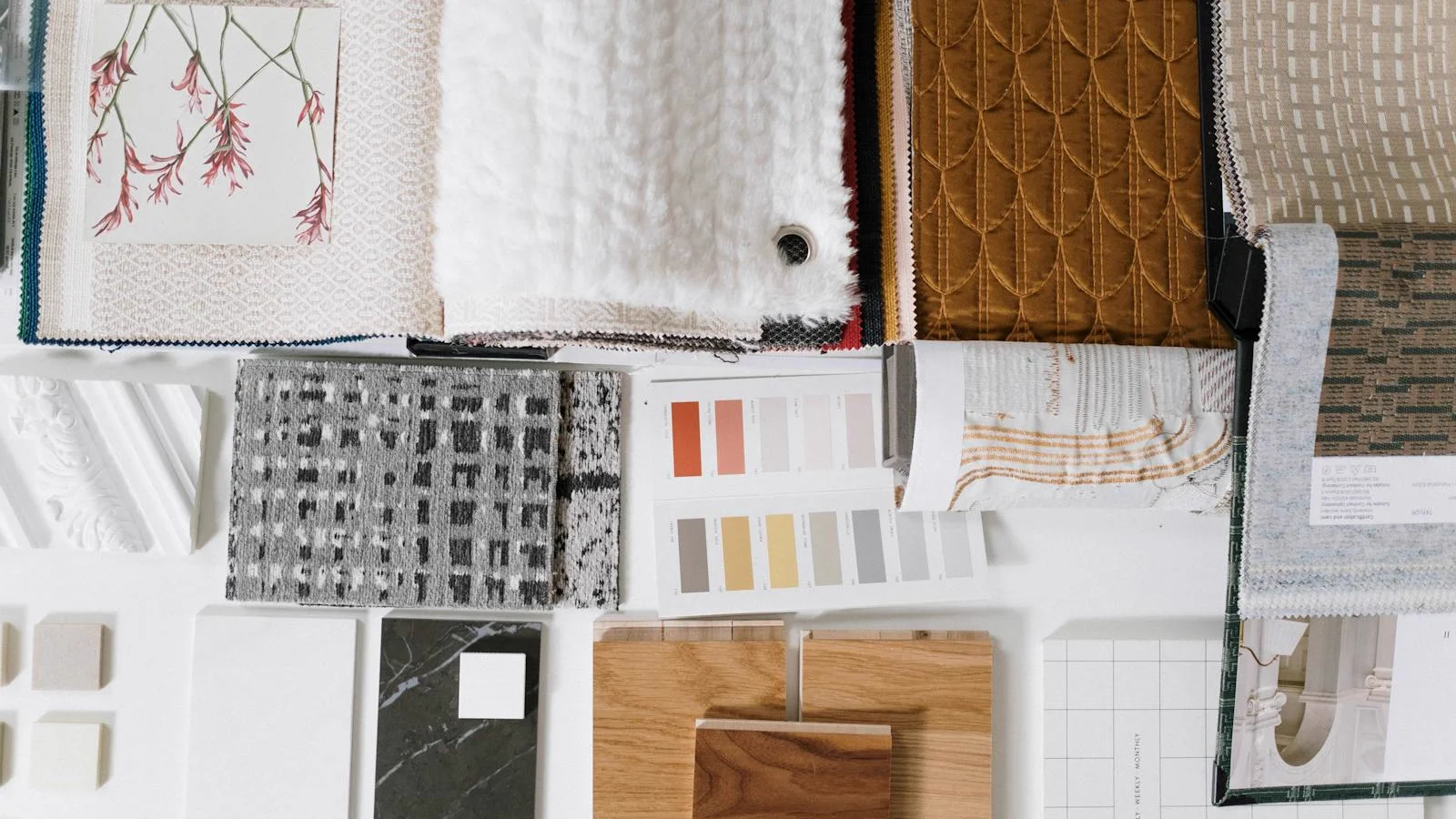
| 2. Lab dip & fabric | Color approval swatches, fabric performance tests | 1-2 weeks | Pantone match, shrinkage |
| 3. Proto & fit sample | First sewn sample, fit session | 2-3 weeks | Fit approval, revisions |
| 4. Pre-production sample (PPS) | Final sample before bulk | 1-2 weeks | Gold-seal approval |
| 5. Pattern & grading | Digital pattern, size scale | 3-5 days | Pattern check |
| 6. Cutting | Fabric spreading, marker, automated cutting | 2-4 days | Cutting QC |
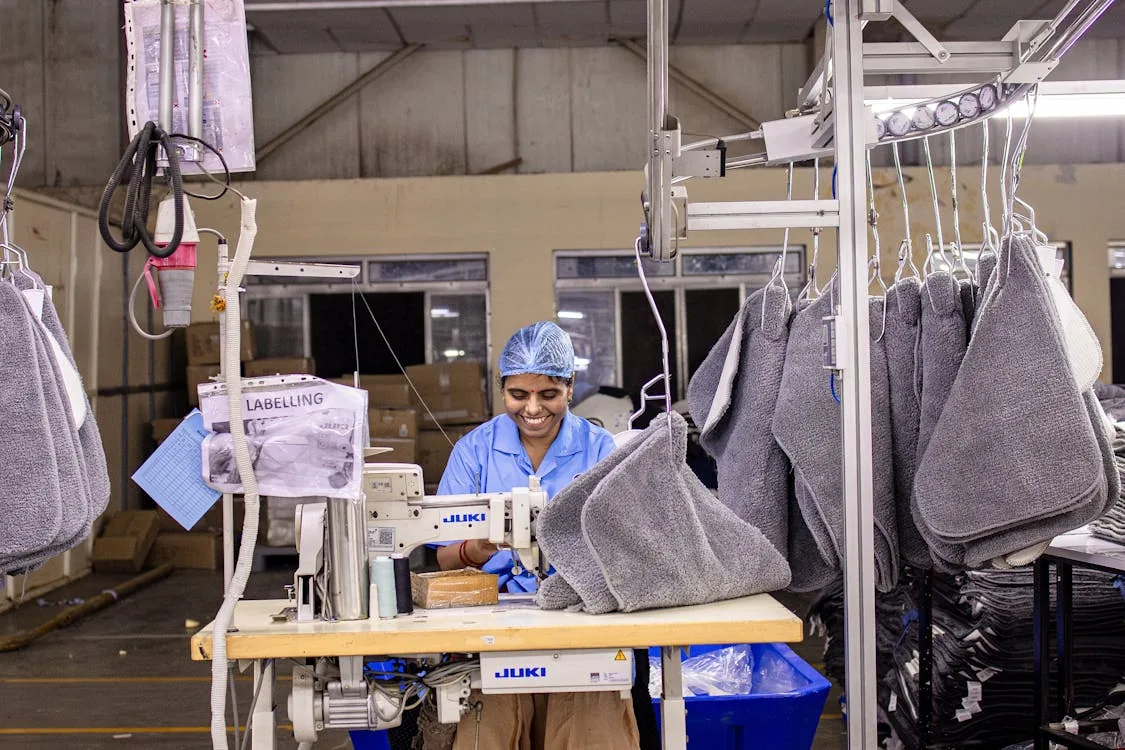
| 7. Sewing | Bulk production, line flow | 1-3 weeks | Inline inspection |
| 8. Quality control & finishing | AQL 2.5 audit, metal detection, pressing | 3-5 days | Final Random Inspection |
| 9. Packing & shipment | Polybag, carton, labels, dispatch | 2-4 days | Pack check, B/L |
Total lead time (tech pack to container on vessel/truck): 8-14 weeks. Re-orders typically run in 4-6 weeks because stages 1-4 are already approved.
For the supporting infrastructure behind this process, see finding a manufacturer and our Turkish children's clothing manufacturer pillar.
Why Quality Control Is Critical in Children's Clothing
Quality control in children's clothing is far more critical than in adult apparel. Infant and toddler skin is 5 times thinner than adult skin, and their immune systems are still developing. The European Union's Safety Gate (RAPEX) system issues over 2,000 dangerous product alerts annually, with children's clothing consistently among the most recalled categories. The following sections go deep on stage 8 — quality control.
Key Takeaways
- EU Safety Gate issues 2,000+ dangerous product alerts annually — children's clothing is a top category.
- AQL 2.5 General Inspection Level II is the industry standard for children's garments.
- OEKO-TEX Standard 100 Class 1 tests for 350+ harmful substances.
- Turkey has facilities with 90,000+ monthly capacity.
- Metal detection is a mandatory safety measure for baby clothing.
Understanding AQL (Acceptable Quality Level)
AQL defines the maximum acceptable defect rate in a production lot, governed by ISO 2859-1. In children's clothing, AQL 2.5 at General Inspection Level II is the industry standard. The system works by drawing random samples from a production lot and comparing defect counts against predetermined accept/reject numbers.
For example, in a lot of 3,200 pieces at AQL 2.5, 200 pieces are inspected — 10 or fewer defects means acceptance, 11 or more means rejection of the entire lot.
| Defect Type | AQL Level | Description |
|---|
| Critical Defects | 0 (zero tolerance) | Safety risks: detaching buttons, needle fragments, sharp accessories |
| Major Defects | 2.5 | Measurement deviation, incorrect labeling, visible stitching errors |
| Minor Defects | 4.0 | Slight color variation, minor loose threads, cosmetic issues |
For children's clothing, critical defects carry zero tolerance. Even a single detaching button or needle remnant requires re-inspection of the entire lot.
4-Stage Quality Control Process
Stage 1: Fabric Inspection
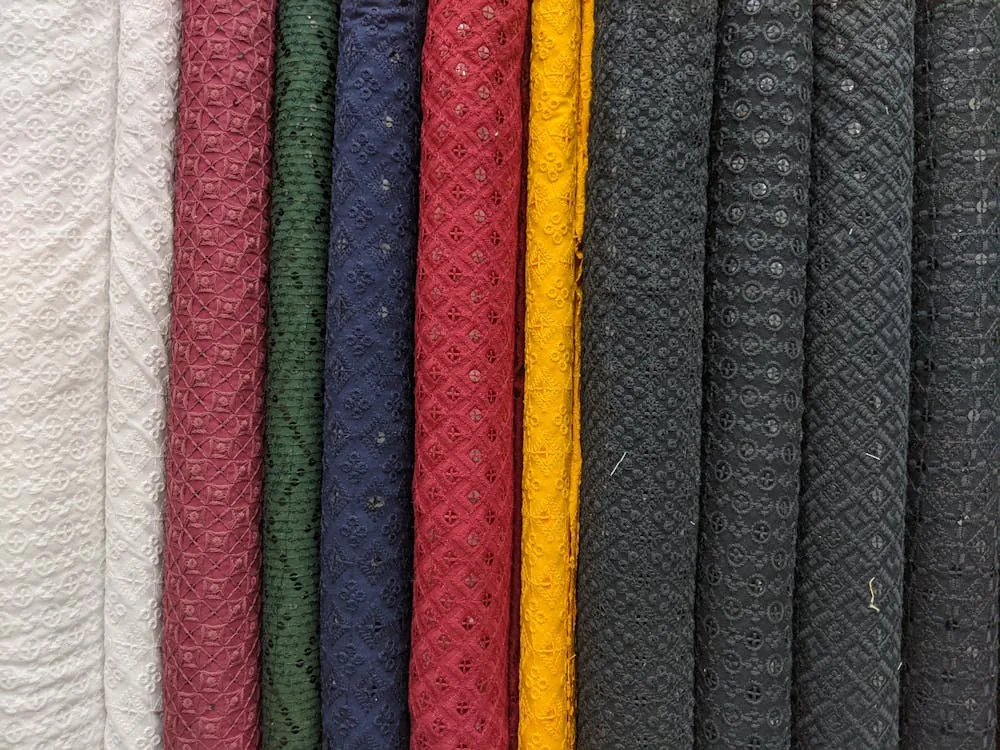
The first and most critical stage. Defective fabric affects the entire production chain. The 4-Point Fabric Inspection System is the industry standard:
| Defect Length | Points |
|---|
| 0-7.5 cm | 1 point |
| 7.5-15 cm | 2 points |
| 15-23 cm | 3 points |
| Over 23 cm | 4 points |
Under 40 points per 100 square meters is the acceptable threshold. In addition to defect scoring, fabric inspection includes color consistency, GSM (weight) verification, shrinkage testing, and pilling resistance testing.
Stage 2: In-Line Inspection
Conducted when 15-20% of production is complete. Checks cutting accuracy, stitch quality, accessory placement, and measurement compliance. Catching a measurement deviation at this stage can save an entire lot of 10,000+ pieces from rework.
Stage 3: End-Line Inspection
Performed at the end of each production line before packaging. Covers stitch quality, button pull strength (minimum 2 kg per EN 14682), label accuracy, and overall appearance. 100% visual inspection is recommended at this stage.
Stage 4: Final Random Inspection (Pre-Shipment)
Conducted after 80-100% of production is packed. Random samples are drawn per AQL 2.5. This inspection is typically performed by third-party firms, providing independent assurance to buyers.
EU Safety Gate (RAPEX) Recalls
The EU Safety Gate system (formerly RAPEX) is a rapid alert system for dangerous products. It issues 2,000+ alerts annually, with children's products consistently among the top categories. Common recall reasons for children's clothing include:
| Recall Reason | Risk | Prevention |
|---|
| Long cords/drawstrings | Strangulation | EN 14682 compliance, cord length limits |
| Small parts (buttons, sequins) | Choking/ingestion | Minimum 2 kg pull test, secure attachment |
| Chemical substance excess | Skin irritation, allergy | OEKO-TEX Class 1, REACH compliance |
| Flammability | Fire risk | EN 14878 flammability testing |
| Needle/metal fragments | Injury risk | Metal detector screening |
Third-Party Inspection Companies
Independent inspection builds trust between buyers and manufacturers. The majority of international buyers require third-party inspection for children's clothing. Leading firms include:
| Company | Headquarters | Turkey Offices | Key Service |
|---|
| SGS | Switzerland | Istanbul, Izmir, Bursa | Comprehensive textile testing |
| Bureau Veritas | France | Istanbul | Supply chain auditing |
| Intertek | United Kingdom | Istanbul | Performance and safety testing |
| TÜV | Germany | Istanbul, Ankara | CE marking and compliance |
Inspection costs typically range from USD 250-500 per day, with an inspector covering 3,000-5,000 pieces per day under AQL standards.
Metal Detection for Baby Clothing
Metal detection is mandated by most major retailers for 0-3 age baby clothing. Broken needle fragments during production can remain inside garments, posing serious injury risk. Key requirements:
- Every garment must pass through a metal detector before packing
- Sensitivity: ferrous 1.2 mm, non-ferrous 1.5 mm, stainless steel 2.0 mm
- Daily calibration with documented test records
- Special calibration for garments with metal accessories (snaps, zippers)
- Needle control policy with broken needle tracking
OEKO-TEX and Chemical Safety
OEKO-TEX Standard 100 Class 1 (baby products) tests fabrics and accessories for 350+ harmful substances, including formaldehyde, heavy metals (lead, cadmium, chromium), azo dyes, phthalates, and pesticide residues. This is the most comprehensive chemical safety standard for children's clothing.
Turkey Advantage: Turkey offers 90,000+ monthly capacity facilities with OEKO-TEX and GOTS certifications. These facilities have full quality control infrastructure — from fabric inspection to metal detection — along with geographic proximity to European markets.
Frequently Asked Questions
Why is AQL 2.5 the preferred standard?
AQL 2.5 means a 2.5% defect rate is acceptable for major defects. Combined with General Inspection Level II, it provides the optimal balance between cost-effectiveness and quality assurance. Lower AQL values (e.g., 1.0) mean stricter control but increase inspection costs. Critical defects always carry AQL 0 — zero safety defects are accepted.
Is third-party inspection mandatory?
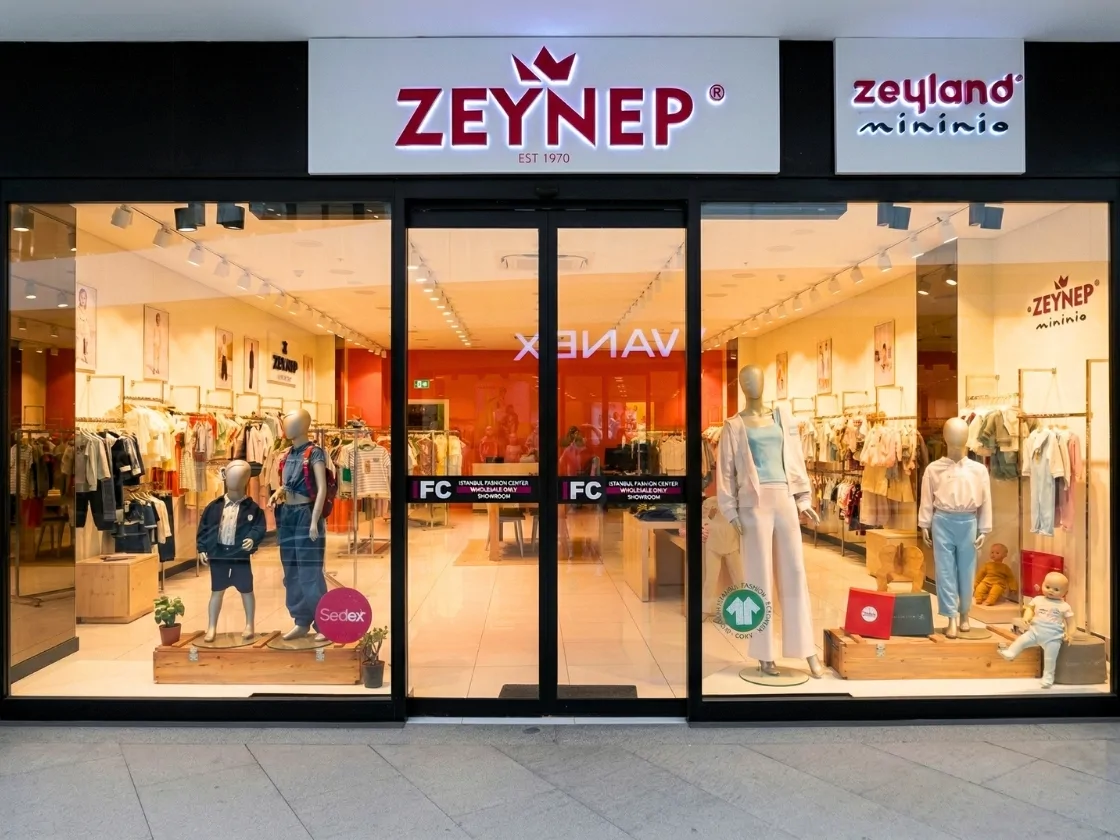
Not legally required, but most international retailers and importers mandate it for children's clothing. Independent inspection by firms like SGS, Bureau Veritas, and Intertek is the industry standard for product safety verification. Turkish manufacturers like Zeynep Giyim maintain audit-ready infrastructure and experience to meet these requirements.
What is the acceptance criterion for the 4-Point fabric system?
The general acceptance threshold is under 40 points per 100 square meters. However, children's clothing buyers often apply stricter criteria — some brands set a limit of 28 points per 100 m². Fabric inspection is the very first checkpoint because all garments produced from defective fabric will be defective.
Is metal detection mandatory for baby clothing?
Legal requirements vary by country, but for 0-3 age baby clothing, metal detection is effectively an industry standard. Major retailers like H&M, Zara, and Primark mandate it. The per-unit cost is negligible, but the risk it prevents is severe.
Conclusion
Quality control in children's clothing is an investment, not a cost. When AQL 2.5, the 4-stage inspection process, metal detection, and OEKO-TEX Class 1 certification are applied together, they guarantee both product safety and brand reliability. In an environment where EU Safety Gate issues 2,000+ alerts annually, a comprehensive QC system is not a competitive advantage — it is a requirement for market access. At Zeynep Giyim, we bring extensive AQL inspection, 4-stage quality control, and metal detection expertise to every project. Get in touch to discuss your requirements.