2026 Children's Clothing Trends: A Seasonal Guide for Buyers
Key trends shaping children's apparel in 2026: sustainability, gender-neutral design, athleisure, organic fabrics, and digital printing.
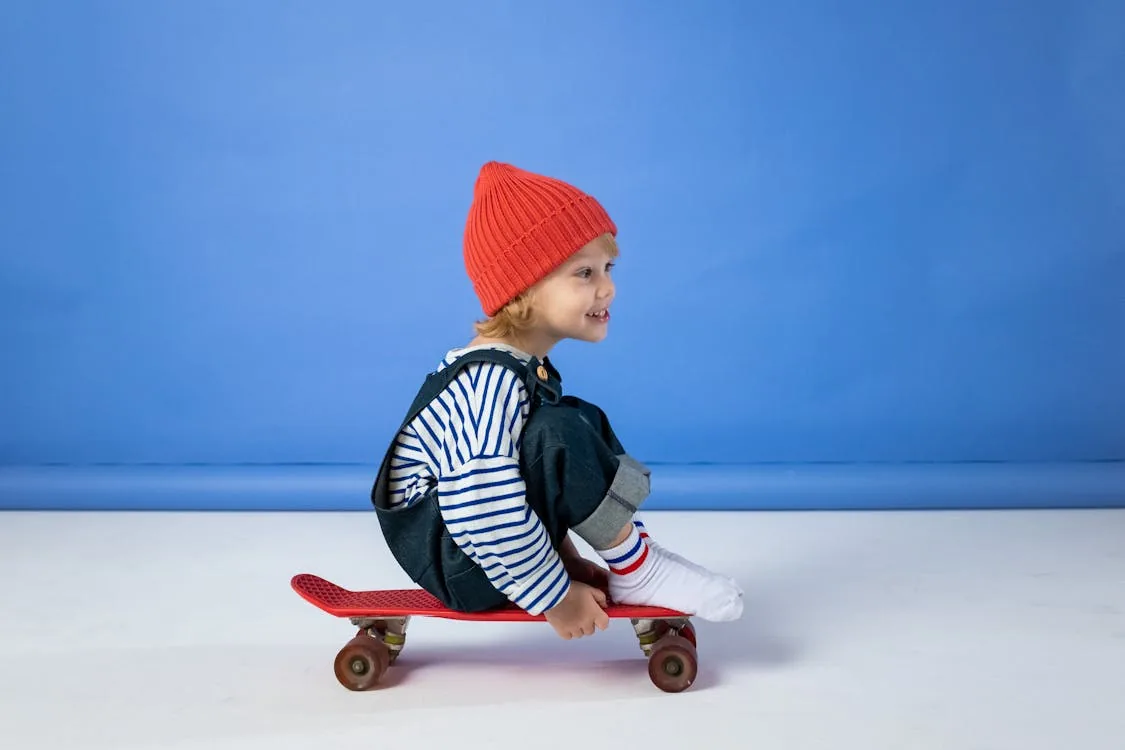
The global kids' apparel market reached $225.88 billion in 2025 and continues to grow at a 7.25% CAGR through 2032 (Fortune Business Insights, 2025). Rising consumer awareness, sustainability regulations, and digital transformation are reshaping children's fashion in 2026. This guide covers the most important trends, fabric innovations, and seasonal ordering strategies for wholesale buyers and brand owners.
- Global kids' apparel market: $225.88 billion — growing 7.25% CAGR (Fortune Business Insights, 2025).
- 40% of new collections expected to feature recycled materials by 2026 (Accio, 2025).
- Eco-friendly kids' apparel segment growing 15-20% annually.
- 30% of US parents prioritize organic fabrics (Accio, 2025).
- Digital printing reduces water consumption by up to 60%.
1. Global Market Overview and Growth Drivers
Children's apparel is outpacing the adult clothing market in growth. Key drivers include frequent replacement needs due to rapid child growth, rising middle-class populations worldwide, and the expansion of digital commerce. The Asia-Pacific region holds the largest share, while the Middle East and Africa are among the fastest-growing markets.
| Region | Market Share (2025) | Growth Trend |
|---|---|---|
| Asia-Pacific | 38% | Largest market, led by China and India |
| Europe | 26% | Sustainability-driven consumption |
| North America | 22% | Growth in premium and organic segments |
| Middle East & Africa | 8% | Fastest-growing region |
| Latin America | 6% | E-commerce accelerating access |
2. Five Key Trends for 2026
2.1 Sustainability and Recycled Materials
40% of new collections are expected to incorporate recycled materials by 2026 (Accio, 2025). EU textile waste regulations and consumer pressure are driving brands toward sustainable production. Recycled polyester, organic cotton blends, and closed-loop manufacturing models are becoming the new standard.
The eco-friendly children's apparel segment is growing 15-20% annually. This trend extends beyond Europe — Middle Eastern and Asian markets are also showing increased demand for sustainable products.
2.2 Gender-Neutral Design
Gender-neutral children's clothing is one of 2026's most prominent trends. Neutral colors, unisex patterns, and collections without "boys/girls" labels are gaining traction in both retail and wholesale channels. This approach also offers buyers operational advantages by simplifying inventory management — a single SKU can reach a broader customer base.
2.3 Athleisure and Active Lifestyle
Comfortable, flexible, and durable clothing for kids — the athleisure segment — is growing rapidly. Multi-purpose garments that transition between school, sports, and casual wear are parent favorites. Stretch fabrics, breathable textures, and easy-wash materials form the foundation of this trend.
2.4 Organic and Natural Fabrics
30% of US parents prioritize organic fabrics when purchasing children's clothing (Accio, 2025). In the baby and 0-3 age segment, this percentage is significantly higher. GOTS and OEKO-TEX certified products have become standard requirements for wholesale buyers. For manufacturers exporting to European and North American markets, organic cotton and bamboo fiber usage is now essential.
2.5 Digital Printing and Personalization
Digital printing technologies reduce water consumption by up to 60% compared to conventional printing while lowering minimum order quantities. Personalized children's clothing — name prints, custom pattern selections — is a growing niche in both DTC and wholesale channels. Buyers working with digitally equipped suppliers gain advantages in both sustainability and flexibility.
3. Color Trends: 2026
The 2026 children's apparel color palette draws inspiration from nature. Moving away from bright neons, calmer and more natural hues are taking center stage.
| Color Category | Featured Tones | Usage |
|---|---|---|
| Earth Tones | Terracotta, sand beige, olive green | AW2026 outerwear, trousers |
| Muted Pastels | Lavender, powder blue, peach | SS2027 tops, dresses |
| Nature-Inspired | Forest green, ocean blue, sunset orange | Both seasons, printed items |
| Neutral Tones | Cream, stone grey, soft white | Gender-neutral collections |
4. Fabric Innovation
| Fabric Type | Features | 2026 Demand |
|---|---|---|
| Recycled Polyester | Fiber derived from PET bottles | Used in 40% of collections |
| Organic Cotton Blends | GOTS certified, 91% less water | Standard in baby segment |
| Bamboo Fiber | Naturally antibacterial, soft texture | Fastest-growing segment |
| TENCEL / Lyocell | Closed-loop production, biodegradable | Rising demand in premium segment |
| Digitally Printed Fabrics | 60% less water, lower minimums | Foundation of personalization trend |
Recycled polyester is becoming a primary material in 2026 children's collections. However, buyers should note that recycled polyester is better suited for 3+ age outerwear and athleisure rather than baby clothing. Organic cotton and bamboo fiber remain the preferred choices for the infant segment.
5. Seasonal Ordering Guide
AW2026 (Autumn-Winter 2026) — Order Now
- Outerwear: Recycled polyester-filled jackets in earth tones
- Tops: Organic cotton sweatshirts with gender-neutral designs
- Bottoms: Stretch corduroy and organic denim trousers
- Accessories: Bamboo fiber beanie and scarf sets
SS2027 (Spring-Summer 2027) — Start Planning
- Tops: Digitally printed t-shirts with nature-inspired patterns
- Dresses: Organic cotton dresses in pastel tones
- Athleisure: UV-protective, breathable activewear sets
- Baby: GOTS-certified bamboo-cotton blend bodysuits and rompers
Frequently Asked Questions
What fabric will be most in demand for children's clothing in 2026?
Recycled polyester and organic cotton blends will lead demand. In the baby segment, 100% organic cotton and bamboo fiber stand out. 40% of collections are expected to contain recycled materials (Accio, 2025).
Do gender-neutral collections impact sales performance?
Yes, positively. Gender-neutral products allow a single SKU to reach a broader customer base. Inventory turnover rates increase and return rates decrease, offering buyers operational cost advantages.
Does sustainable production increase costs?
Raw material costs may be 10-20% higher, but sustainable products command a 25-40% retail price premium. Net profit margins are generally higher than conventional products. Additionally, sustainability certifications are increasingly required for EU market access. GOTS and OEKO-TEX certified manufacturers like Zeynep Giyim provide both product and consultancy support through this transition.
How does digital printing affect minimum order quantities?
Digital printing can reduce minimum order quantities by 70-80% compared to traditional rotary and flat printing. This is especially valuable for small and medium-sized brands looking to offer diverse patterns and colors at viable costs.
Conclusion
The 2026 children's apparel market is shaped by five core trends: sustainability, gender-neutral design, athleisure, organic fabrics, and digital printing. Success in this $225.88 billion market requires buyers to plan collections aligned with these trends, secure recycled and organic raw material supply, and partner with digitally capable suppliers. At Zeynep Giyim, we update our collections each season to reflect these trends and guide our buyers through seasonal planning. The ideal timing for AW2026 orders starts now — contact us for collection samples and detailed information.
Partnership
Ready to be your manufacturing partner.
With 55 years of experience, we offer private label and wholesale manufacturing in kids, baby and women's apparel.