Sustainable Women's Fashion: How Turkey Is Leading the Eco-Friendly Revolution
Turkey ranks 3rd globally for GOTS-certified textile facilities. Discover how Turkish manufacturers are pioneering sustainable women's fashion with organic cotton, ethical production, and eco-friendly innovation.
The global sustainable fashion market is projected to reach $33.05 billion by 2030, growing at 9.1% annually (Grand View Research, 2025). As consumers increasingly demand eco-friendly clothing, one country has quietly positioned itself as the world's most capable sustainable fashion producer: Turkey. With 1,730 GOTS-certified facilities, world-class organic cotton, and EU-standard environmental regulations, Turkey offers what few countries can — sustainable fashion at scale, with the quality and variety that modern women expect.
- 1,730 GOTS-certified facilities — 3rd globally after India and China (GOTS, 2024).
- $26 billion in textile exports with increasing organic share (TİM, 2025).
- EU Customs Union member — subject to EU environmental and chemical safety regulations.
- Global organic textile market projected to reach $305.73 billion by 2035 — 18% annual growth (MRFR, 2025).
- France's PFAS ban (January 2026) gives certified Turkish producers a competitive edge.
Why Is Sustainable Fashion Important?
The fashion industry is responsible for 8-10% of global carbon emissions — more than aviation and shipping combined (UNEP, 2024). Fast fashion's environmental toll includes massive water consumption (2,700 liters for one cotton shirt), chemical pollution, textile waste (92 million tonnes annually), and exploitative labor practices.
Sustainable fashion addresses these issues through:
- Organic and certified materials that minimize chemical inputs
- Ethical production with fair wages and safe working conditions
- Reduced water and energy consumption through efficient manufacturing
- Durable, timeless design that reduces the need for frequent replacement
- Circular economy principles — recyclable materials, take-back programs
How Is Turkey Leading in Sustainable Women's Fashion?
1. Organic Cotton Powerhouse
Turkey's Aegean region produces some of the world's finest organic cotton. With 1,730 GOTS-certified facilities, Turkey has the infrastructure to produce organic women's clothing at every price point — from everyday basics to luxury pieces. The Aegean's natural growing conditions (hot summers, fertile soil, minimal pest pressure) make organic cultivation viable without the yield penalties seen in other regions.
2. Vertically Integrated Sustainable Supply Chain
Turkey's unique advantage is vertically integrated production — cotton is grown, spun, woven, dyed, cut, and sewn within the same country, often within the same industrial zone. This dramatically reduces the carbon footprint of transportation and enables complete traceability from field to finished garment.
| Supply Chain Stage | Turkey's Advantage | Environmental Benefit |
|---|---|---|
| Raw Material | Domestic organic cotton (Aegean) | No international shipping of raw materials |
| Spinning & Weaving | Same-region mills | Minimal inter-facility transport |
| Dyeing & Finishing | EU-compliant chemical regulations | Strict wastewater treatment, PFAS-free |
| Cutting & Sewing | Same industrial zones | Zero intermediate shipping |
| Export | 3-7 days to Europe (vs. 25-35 from Asia) | 75-80% lower shipping emissions vs. East Asia |
3. EU-Standard Environmental Compliance
As an EU Customs Union member, Turkey applies EU-level environmental standards to its textile industry. This includes REACH chemical regulations (restricting 233+ harmful substances), strict wastewater treatment requirements, and upcoming PFAS restrictions. Turkish manufacturers don't need to "upgrade" for European markets — they already comply.
4. Innovative Sustainable Fabrics
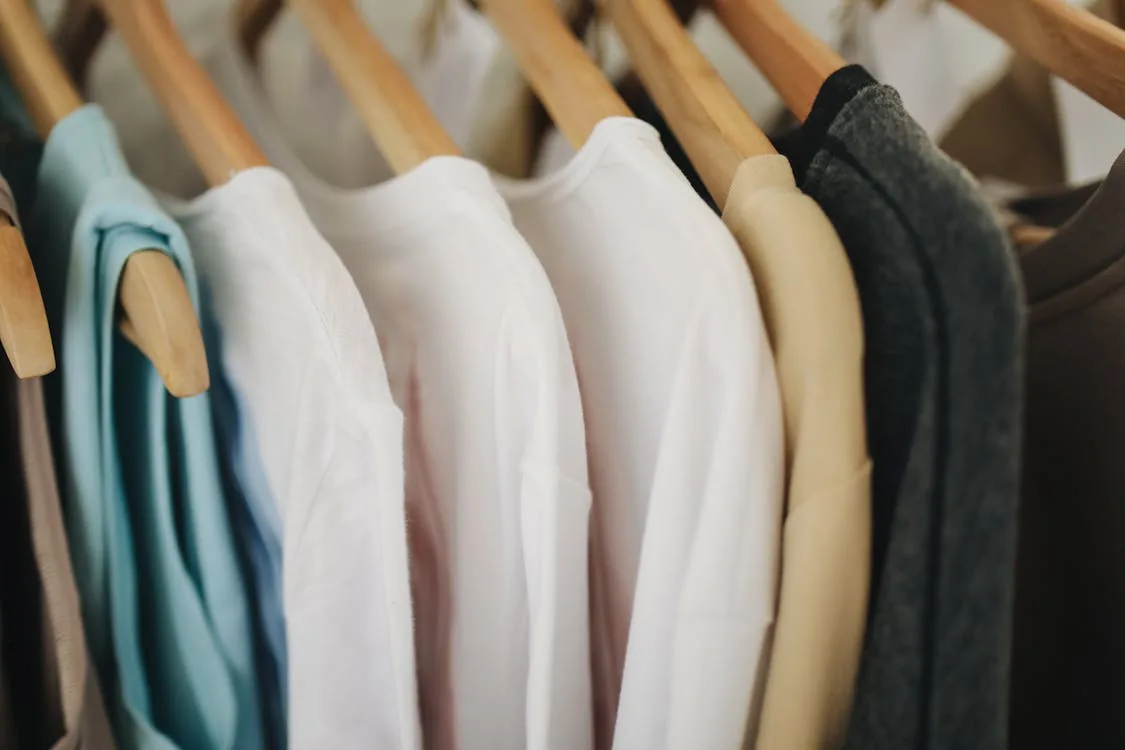
Turkish textile innovators are developing next-generation sustainable fabrics for women's clothing:
- Organic Aegean Cotton: Extra-long staple, GOTS-certified, naturally soft and durable
- Turkish Linen: Naturally sustainable crop requiring minimal water and no pesticides
- Tencel/Lyocell Blends: Made from sustainably managed wood pulp in closed-loop production
- Recycled Cotton: Post-industrial and post-consumer cotton waste transformed into new fibers
- Natural Dyes: Plant-based and mineral dyes replacing synthetic chemicals
What Does Sustainable Women's Fashion from Turkey Look Like?
Contrary to outdated stereotypes, sustainable fashion from Turkey is neither boring nor limited. Turkish sustainable fashion encompasses:
Everyday Essentials
GOTS-certified organic cotton t-shirts, basics, and underwear. Turkish organic cotton basics are softer, more durable, and better for the environment than conventional fast-fashion alternatives — often at comparable prices.
Professional Wardrobe
Sustainably produced blazers, tailored trousers, and shirt dresses in organic wool blends and certified cotton. Turkish tailoring expertise delivers polished professional clothing without environmental compromise.
Modest & Covered Fashion
Organic tunics, sustainable abayas, and eco-friendly hijabs. Turkey's leadership in both sustainable production and modest fashion creates a natural synergy — women seeking covered clothing can also choose environmentally responsible options.
Occasion Wear
Sustainable doesn't mean casual-only. Turkish designers create stunning evening wear, wedding guest outfits, and special occasion pieces using Bursa silk, organic fabrics, and artisan techniques that have minimal environmental impact.
How to Shop Sustainably for Women's Clothing
- Look for certifications: GOTS (organic), OEKO-TEX (chemical safety), SEDEX/SMETA (ethical production), BCI (sustainable cotton).
- Check "Made in Turkey": Turkish production generally means EU-compliant environmental standards and shorter supply chains.
- Choose quality over quantity: One well-made Turkish cotton dress that lasts years is more sustainable than five cheap alternatives.
- Consider the full lifecycle: Natural fibers (cotton, linen, silk, wool) biodegrade; synthetics persist in landfills for centuries.
- Support transparent brands: Choose brands that disclose their manufacturing locations, certifications, and supply chain practices.
The Future of Sustainable Fashion from Turkey
Several trends are accelerating Turkey's sustainable fashion leadership:
- EU Green Deal requirements: Upcoming EU textile regulations will mandate sustainability reporting, digital product passports, and extended producer responsibility. Turkish manufacturers, already EU-compliant, are ahead of the curve.
- France PFAS ban (2026): The ban on "forever chemicals" in textiles gives GOTS and OEKO-TEX certified Turkish producers immediate advantage.
- Digital traceability: Turkish textile zones are implementing blockchain-based traceability from cotton field to finished garment.
- Circular fashion: Leading Turkish manufacturers are developing take-back programs and recycled-fiber production lines.
FAQ: Sustainable Women's Fashion from Turkey
Is sustainable fashion more expensive?
Not necessarily. Turkish sustainable fashion benefits from competitive production costs — organic cotton basics from Turkish manufacturers are often priced comparably to conventional fast-fashion items, but last significantly longer. The cost-per-wear is actually lower.
How do I know if a Turkish brand is truly sustainable?
Look for third-party certifications: GOTS for organic content, OEKO-TEX Standard 100 for chemical safety, and SEDEX for ethical production. These are audited independently and cannot be self-declared.
Is Turkish organic cotton really organic?
GOTS certification requires independent annual audits of every facility in the supply chain, from farm to finished product. Turkey's 1,730 GOTS-certified facilities undergo rigorous verification. This is one of the most reliable organic certifications in the textile industry.
Can modest fashion be sustainable?
Absolutely. In fact, modest fashion's emphasis on quality over trends, timeless design, and durable construction aligns perfectly with sustainable fashion principles. Turkey is uniquely positioned to offer both — world-class modest fashion produced with world-class sustainability standards.
Partnership
Ready to be your manufacturing partner.
With 55 years of experience, we offer private label and wholesale manufacturing in kids, baby and women's apparel.